


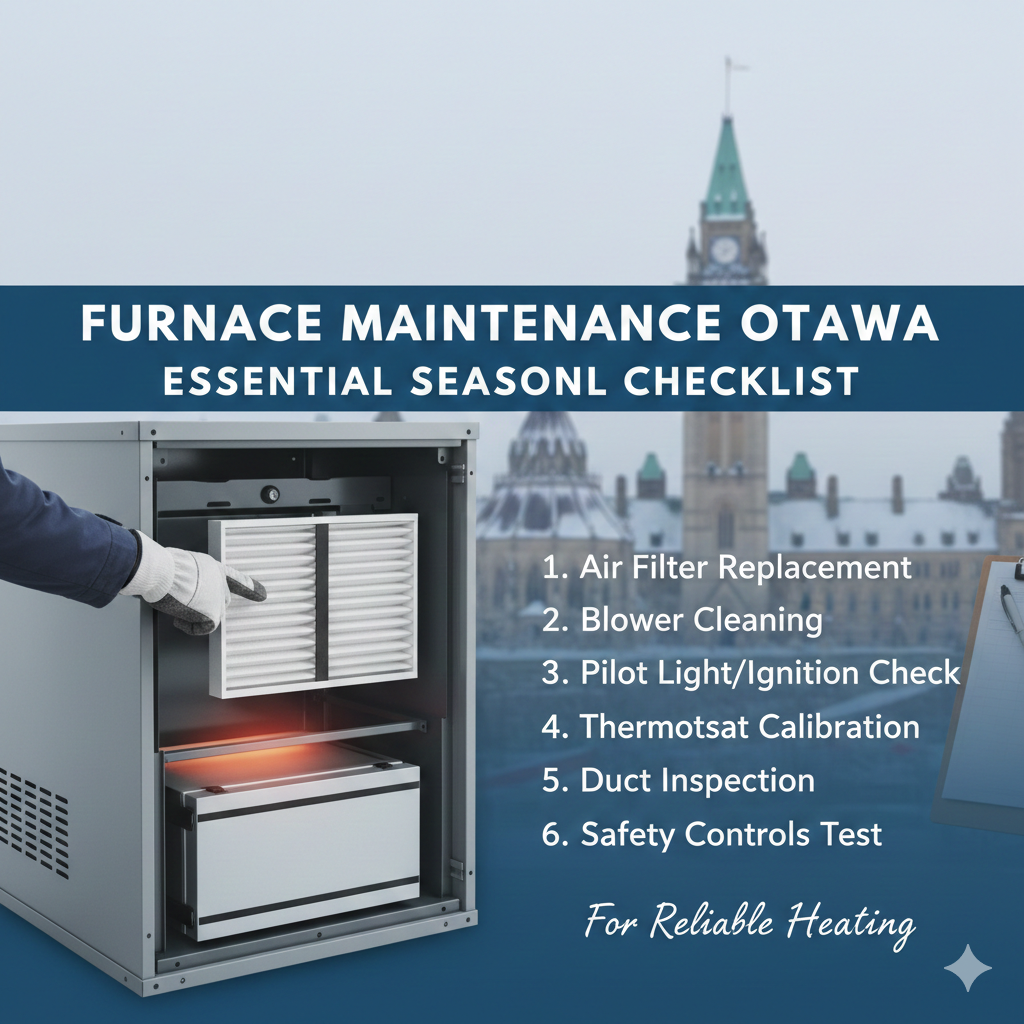
Winters in Ottawa demand a reliable furnace, and you can avoid costly breakdowns with the right maintenance. Schedule annual professional service and follow simple seasonal checks to keep your system safe, efficient, and less likely to fail when temperatures drop.
This article Furnace Maintenance Ottawa outlines what to expect from professional furnace maintenance in Ottawa and gives clear, practical tips you can apply between service visits. Keep reading to learn which tasks you can handle yourself, when to call a certified technician, and how routine care saves energy and prevents emergency repairs.
Professional Furnace Maintenance in Ottawa
Regular professional care keeps your furnace safe, efficient, and less likely to fail during Ottawa’s cold months. Technicians check mechanical, electrical, and combustion components and can recommend targeted repairs or part replacements based on observed wear.
Benefits of Routine Furnace Servicing
Routine servicing reduces your fuel bills by ensuring burners, heat exchangers, and blower motors operate at designed efficiency. You’ll notice steadier indoor temperatures and fewer short cycling events that waste energy.
A certified tune-up also improves safety. Technicians inspect the heat exchanger for cracks, verify proper gas pressure, and test safety limits and shutoffs to reduce carbon monoxide risk. Paperwork from an annual service can support warranty claims and provide documentation for insurance or resale.
Servicing extends equipment life. Small worn parts—belts, bearings, or fan motors—get adjusted or replaced before they cause cascade failures. You avoid expensive emergency repairs and the inconvenience of a mid-winter replacement.
Common Furnace Issues in Ottawa Homes
Cold-climate cycling stresses older furnaces, so worn components commonly appear: failing ignitors, sticky gas valves, and degraded heat exchangers. You may also see cracked ducts or perished gaskets that lower system efficiency and indoor air quality.
Ice and humidity-related problems affect condensate lines on high-efficiency units. Freeze or clogs can cause pressure switch faults and shutdowns. Ottawa’s variable temperatures also promote dust and pollen buildup in filters and burners, reducing airflow and combustion quality.
Electrical faults—corroded terminals, failing capacitors, and tripped breakers—often follow age or poor maintenance. Technicians prioritize diagnostics that isolate the root cause, reducing repeat service calls and preventing unsafe operation.
Choosing Certified HVAC Technicians
Pick technicians with provincial licensing and Gas Technician (TSSA or equivalent) certifications for natural gas systems. Verify insurance, worker credentials, and references from recent Ottawa customers to ensure competence and accountability.
Ask for a written checklist of tasks included in a tune-up: combustion analysis, heat-exchanger inspection, blower amperage, filter size check, and safety control tests. Request clear, upfront pricing and a diagnostic fee policy so you know costs before work begins.
Prefer companies that keep in-house technicians rather than subcontractors; this often yields faster response times and consistent service standards. Keep records of each visit, including parts installed and measured combustion values, to track performance over time.
Furnace Maintenance Tips and Best Practices
Keep your furnace efficient, safe, and ready for Ottawa’s cold by doing regular checks, swapping filters, and scheduling annual professional service. Focus on airflow, combustion safety, and system controls to prevent breakdowns and reduce heating costs.
Seasonal Furnace Preparation
Before the cold sets in, replace your furnace filter and inspect the air intake and venting for blockages like leaves, snow, or bird nests. Change disposable filters every 1–3 months depending on type and household conditions; a pleated MERV 8–11 filter balances airflow and filtration for most homes.
Check the thermostat batteries and settings, and test the system on heating mode at least once before heavy use. Tighten visible electrical connections and listen for unusual rattles or squeals during startup. If you have a gas furnace, confirm the pilot or electronic ignition lights reliably and that the flue pipe is secure with no gaps.
Clear 1–2 feet of clearance around the furnace cabinet and remove stored items from the mechanical room. Keep combustion air openings unobstructed and insulate any exposed ductwork in unheated spaces to reduce heat loss.
DIY Furnace Care vs. Professional Service
You can handle routine tasks: replace filters, vacuum dust from the blower compartment (power off first), and clean registers to maintain airflow. Use a soft brush and damp cloth for surface dust; avoid spraying cleaners into the burner area or on electrical parts.
Hire a qualified HVAC technician annually for tasks you should not DIY: burner and heat exchanger inspection, gas pressure and combustion analysis, carbon monoxide testing, and refrigerant or complex electrical diagnostics. Professionals will also lubricate motors, check limit switches, and verify flue draft to meet safety standards.
If your furnace is under warranty or part of a protection plan, follow the service schedule required by the manufacturer to avoid voiding coverage. Keep service records and the technician’s checklist to track recurring issues and parts replaced.
Signs Your Furnace Needs Maintenance
Watch for higher-than-normal fuel bills, uneven heating between rooms, or frequent cycling on and off; these commonly indicate dirty filters, restricted airflow, or failing controls. Note any new or worsening odors—particularly a persistent rotten-egg smell (gas) or a metallic/burning odor—and act immediately.
Listen for banging, grinding, or squealing noises during operation; these often point to loose components, failing blower bearings, or belt issues. Also monitor the pilot light or flame: a steady blue flame is normal, while a yellow or flickering flame can signal combustion problems and possible carbon monoxide risk.
Install a CO detector near sleeping areas and test it regularly. If the furnace repeatedly trips breakers, produces soot, or shows corrosion on the heat exchanger, schedule service right away rather than attempting risky repairs yourself.









Leave a Reply