



You want a qualified electrician near me who arrives on time, fixes the problem safely, and charges a fair price. Search for licensed local electrician near us with clear reviews, transparent quotes, and proof of insurance to get reliable work without surprises.
Knowing what to check—licenses, warranties, and customer feedback—helps you compare pros quickly and avoid common scams. The rest of this article walks you through finding, vetting, and choosing the best electrical service for your home or business.
Finding the Right Electrician Near Me
Check the electrician’s license, look for specific residential or commercial experience, confirm emergency availability, and compare written quotes. Focus on verified credentials, documented experience with similar jobs, clear response times, and itemized estimates.
Local Qualifications and Certifications
Verify that the electrician holds a current local license and insurance. Your jurisdiction may require a master electrician license for complex work; ask for the license number and confirm it with the local licensing board or online registry.
Confirm liability insurance and worker’s compensation coverage. These protect you if a worker is injured or if the job causes property damage. Request proof before work begins.
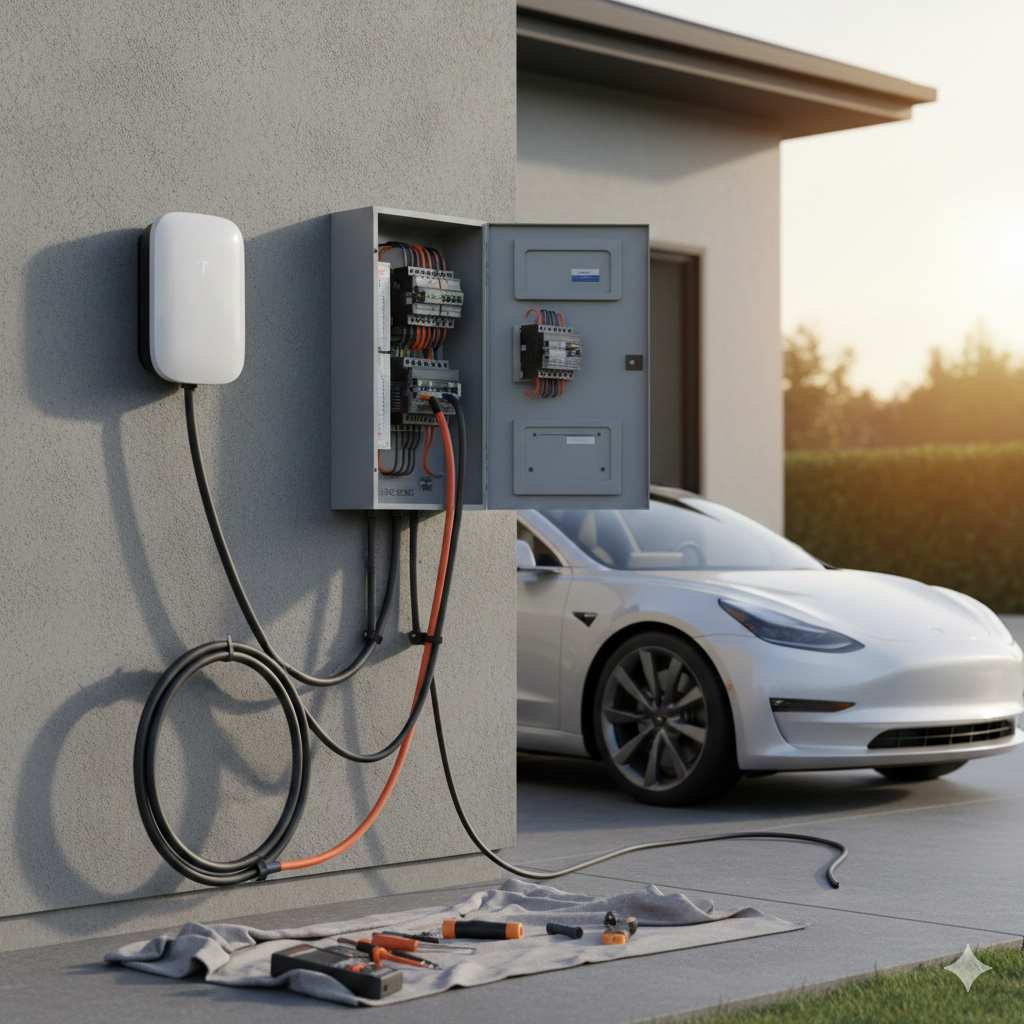
Look for trade certifications and continuing-education evidence. Certifications in areas such as AFCI/GFCI installs, EV charger installation, or industrial control systems show up-to-date training. Keep copies of credentials in case you need warranty or permit inspections.
Residential and Commercial Electrical Services
Identify whether the electrician lists residential or commercial services on their website or business listing. Residential work commonly includes wiring upgrades, breaker replacement, lighting installation, and appliance circuits. Commercial work typically covers three-phase systems, panel expansions, industrial controls, and scheduled maintenance.
Ask for examples of recent similar jobs and client references. For residential jobs, confirm experience with code-compliant panel upgrades and smoke/carbon detector interconnects. For commercial projects, verify familiarity with load calculations, permit coordination, and working around business hours.
Check whether the electrician pulls permits and coordinates inspections. You want a contractor who will handle local permitting and provide as-built documentation. That reduces your liability and prevents future resale or insurance issues.
Emergency Electrical Services
Confirm 24/7 availability and typical response times for emergency calls. Ask how quickly they can reach your address under normal conditions and whether they charge an after-hours premium. Get the emergency phone number and a written description of standby fees.
Determine what counts as an emergency for their team. Life-safety issues like sparking, exposed live wiring, loss of power to essential circuits, or burning smells should receive immediate prioritization. Non-urgent issues (switch replacements, noncritical lighting) should be scheduled.
Request a clear triage process and temporary fixes policy. A good electrician will stabilize the hazard, secure the area, and provide a short written scope for the immediate fix versus permanent repair. Insist on a follow-up plan and timeframe for completing permanent work.
Comparing Quotes and Estimates
Ask for itemized, written estimates from at least three electricians. The estimate should break down labor hours, hourly rates, parts (with part numbers where practical), permit costs, and taxes. Avoid low-ball quotes that lack details; they often lead to surprise charges.
Compare warranties and workmanship guarantees. Note which parts carry manufacturer warranties and which elements are covered by the electrician’s guarantee. Record the start and completion dates, payment schedule, and change-order process in writing.
Check payment terms and lien releases. Require a clear deposit amount (reasonable for your jurisdiction), milestone payments tied to deliverables, and a final lien release upon full payment. Keep all estimates and contracts for permitting, insurance claims, or resale documentation.
Choosing Reliable Electrical Services
Check qualifications, real customer feedback, and protections like warranties before you hire. Focus on electricians who show clear proof of licensing, up-to-date insurance, and written guarantees for parts and labor.
Reading Customer Reviews
Look for detailed reviews that mention specific jobs—panel upgrades, outlet installs, or troubleshooting—rather than vague praise. Pay attention to comments about punctuality, cleanup, communication, and whether the technician followed code or required permits. Filter reviews by recent dates (past 12–24 months) and search multiple sources: Google, HomeAdvisor/TrustedPros, and local business directories. Watch for patterns: a single bad review among many is different from repeated reports of the same problem. Ask the electrician for references from jobs similar to yours. Request before-and-after photos or a short list of recent clients you can contact. Use reviews to confirm pricing transparency and whether change orders were explained in writing.
Safety Standards and Compliance
Verify the electrician’s license number and the issuing authority in your state or province. Confirm that the license covers the type of work you need—residential, commercial, or specialty systems such as EV chargers. Confirm the contractor carries general liability insurance and workers’ compensation; ask for certificates that name you as an additional insured if required. For larger jobs, demand permits and inspection records; this ensures work meets the local electrical code and avoids future insurance or resale issues. Ask how they handle hazardous conditions—arc-fault/ground-fault protection, AFCI/GFCI requirements, and locked panels. Insist on written confirmation that the work will pass municipal inspection before final payment.
Warranties and Guarantees
Request written warranty terms that specify duration, covered parts, and labor. Typical warranties range from 90 days for service calls to several years for installed equipment; get exact timeframes in writing. Clarify who honors the warranty—the installing contractor or the manufacturer—and how warranty claims are processed. Ask whether they provide a service call at no charge during the warranty period and whether travel or diagnostic fees apply. Include these items in the contract: start and completion dates, total price, payment milestones, and a clause outlining remedies if work fails inspection or is unsafe. Keep all documentation; it protects you if you need repairs or warranty enforcement.









Leave a Reply