


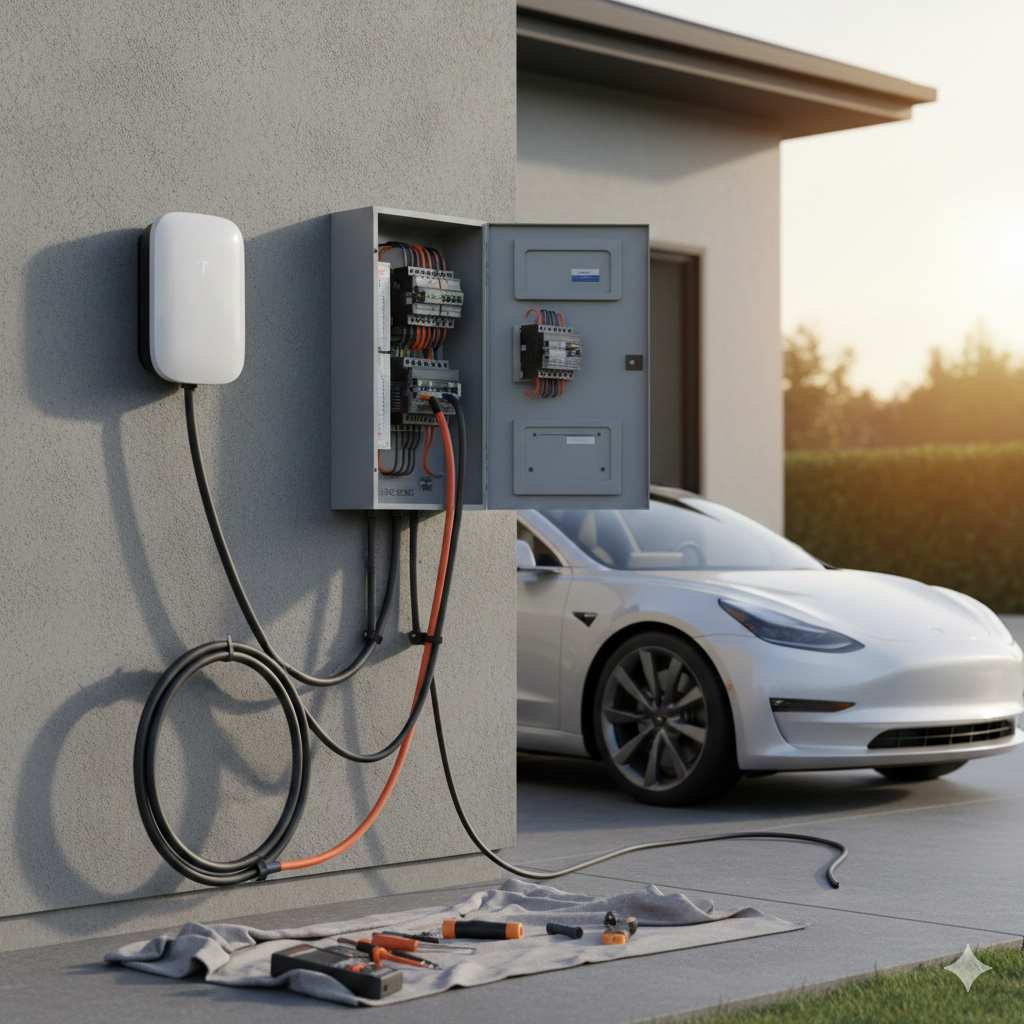
If your home trips breakers, runs on an old fuse box, or struggles to support new appliances, upgrading the electrical panel fixes those risks and lets your system handle modern power demands. An upgrade improves safety, increases capacity for new circuits, and brings your service up to current code—often the quickest way to stop outages and reduce fire risk.
In this post Electrical Panel Upgrade Near Me You’ll learn how to spot signs that an upgrade is needed, what a typical upgrade involves, and how to find qualified local electricians who follow codes and offer reliable estimates. This article guides you through the practical choices so you can decide whether a repair, partial work, or a full panel replacement best fits your home and budget.
Understanding Electrical Panel Upgrades
Upgrading an electrical panel replaces or increases the main distribution device that controls power to your home. It ensures capacity, safety, and compatibility with modern appliances and safety devices.
What Is an Electrical Panel Upgrade?
An electrical panel upgrade means replacing your existing breaker box with one that has higher capacity or modern safety features. Typical upgrades move from 60–100 amps to 150–200 amps, or they add more circuit spaces to handle new loads like EV chargers, heat pumps, or home additions.
The work usually includes installing a new meterbase or main disconnect, new breakers (including AFCI/GFCI where required), and re-terminating the branch circuits. A licensed electrician performs load calculations, obtains permits, and coordinates with the utility if service changes are needed.
Key technical differences to expect:
- Increased amp rating (e.g., 100A → 200A)
- More circuit positions or tandem breakers for future expansion
- Modern safety devices (AFCI, GFCI, surge protection)
Reasons to Upgrade Your Electrical Panel
You should upgrade when your panel limits safe, reliable service or prevents new equipment installation. Common triggers include adding central air, EV charging, basement finishing, or replacing an aging fuse box.
Upgrades improve safety by reducing overload risk and enabling modern protective devices. They also increase home value and insurance compatibility; some insurers require updated panels for coverage or to remove surcharge conditions.
Consider cost vs. benefit: a panel upgrade typically pays off by avoiding frequent breaker trips, reducing fire risk, and allowing high-demand appliances to run without derating other circuits. Obtain multiple quotes and check local permit and inspection requirements before proceeding.
Signs Your Electrical Panel Needs Upgrading
Watch for these concrete indicators: frequent breaker trips, flickering lights when major appliances start, rust or burning smells at the panel, and reliance on extension cords or multiple power strips. These signs point to overloaded circuits or failing components.
Other clear signs include an obsolete fuse box, two-prong ungrounded outlets, or a panel full of tandem or half-size breakers that leave little spare capacity. If your home was built before 1980 or you recently added significant electrical load (EV charger, heat pump, workshop equipment), you likely need an upgrade.
Ask a licensed electrician to perform a load calculation and thermal inspection if you notice any of the signs above. They will document deficiencies, recommend amp sizing, and advise on permit and utility coordination.
Finding Electrical Panel Upgrade Services Near Me
Know what questions to ask, which credentials to check, and what work steps to expect so you hire a local electrician who meets code, stays on schedule, and protects your home.
How to Choose a Qualified Local Electrician
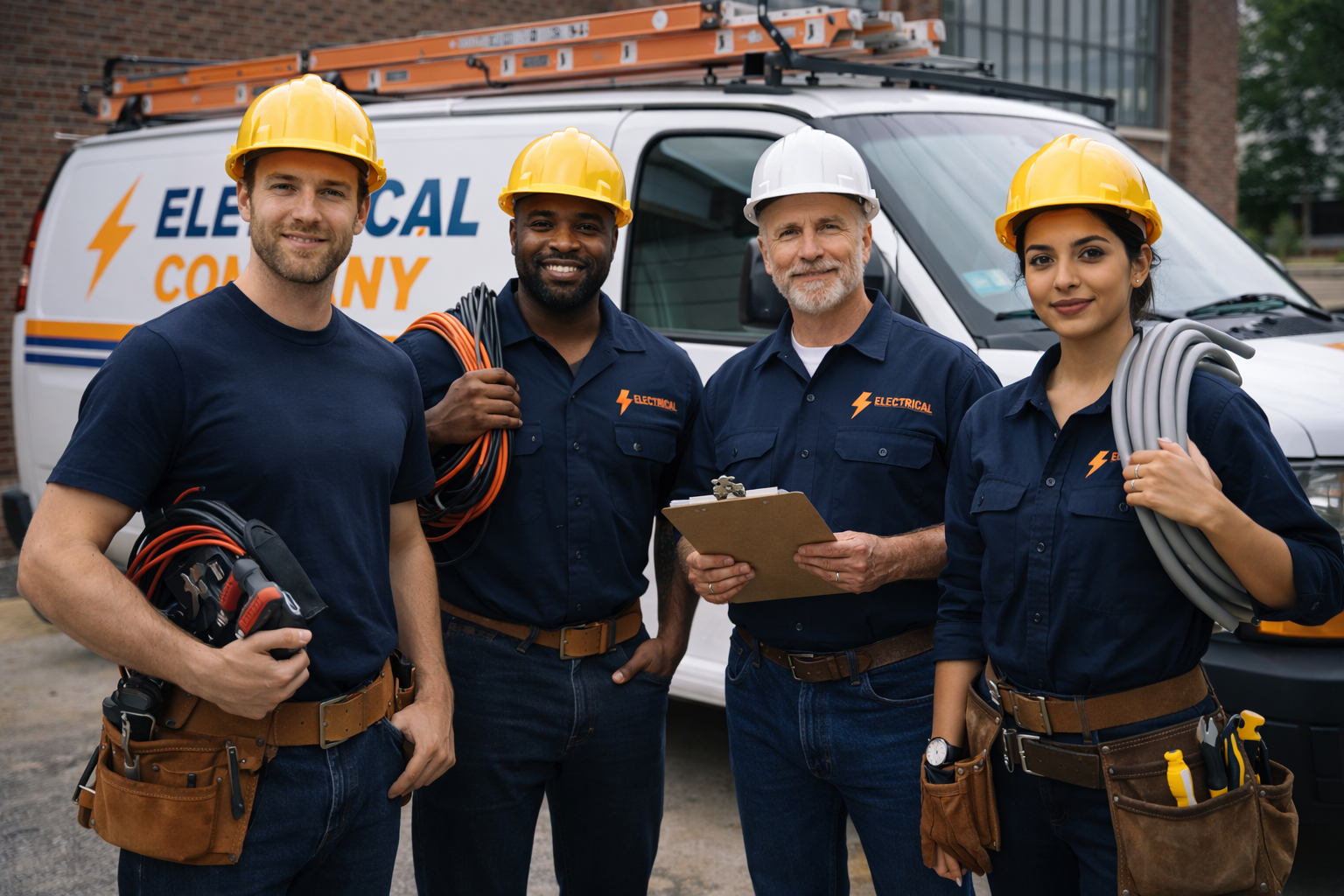
Look for a licensed electrician with specific experience in service panel upgrades. Verify their license number and check that their insurance covers both liability and workers’ compensation.
Ask for recent references from homeowners who had a panel upgraded to 200A or higher, or who added circuits for EV chargers or HVAC. Request photos of completed jobs and a written estimate that lists materials, labor hours, permit fees, and disposal costs.
Confirm the electrician pulls required permits and schedules inspections. Prefer contractors who use UL-listed panels and breakers and who offer a written warranty on workmanship. Get at least two bids and compare scope, timeline, and included safety upgrades like new grounding and surge protection.
What to Expect During a Panel Upgrade
A typical residential upgrade starts with an on-site assessment to measure load, inspect the meter socket, and identify needed changes to grounding and cable routing. The electrician will provide a permit application and timeline—most 100A → 200A upgrades take one to two days of on-site work plus inspection time.
On the first day you can expect breakers and main power to be shut off; plan for limited power during that window. The crew will remove the old panel, install the new enclosure, relocate or replace the meter or mast if required, install new breakers, and tie in grounding and neutral systems.
After work, the inspector will verify code compliance. Expect the electrician to test each circuit, label breakers, and leave you documentation: permit copy, inspection sign-off, and manufacturer warranties. Ask for maintenance tips and a checklist for future proofing (e.g., space for EV or solar).
Benefits of Hiring a Local Specialist
A local specialist knows regional code variations, typical utility requirements, and inspector preferences in your area. That knowledge speeds permitting and reduces rework from code misunderstandings. You also gain faster response for follow-up issues and emergencies.
Local electricians often maintain relationships with suppliers, which can lower material lead times for specific panels or surge devices. They can evaluate neighborhood service capacities (transformer limits, municipal rules) and advise whether a meter or service lateral upgrade may be necessary, saving you surprise costs. Finally, local firms usually provide clearer accountability and easier access to references from nearby homes.








Leave a Reply