


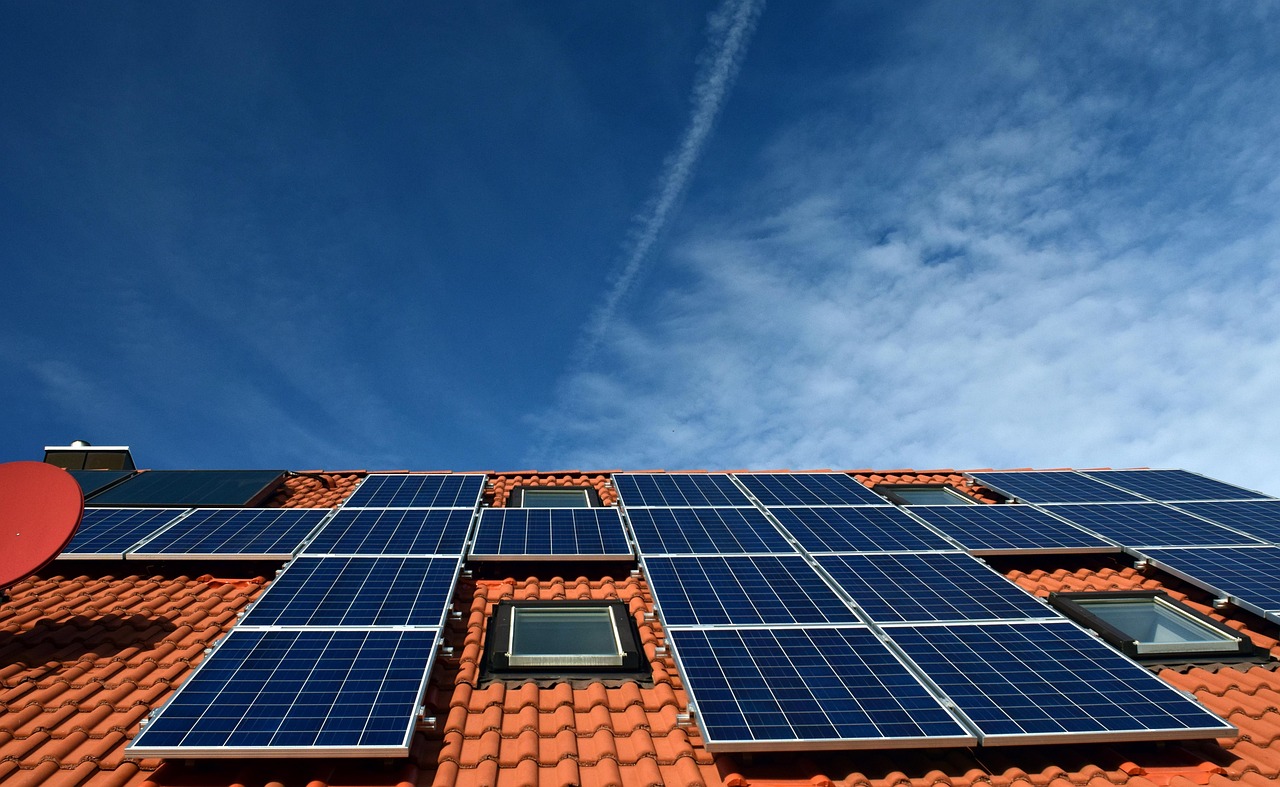
You can turn parts of your building into electricity-producing elements without sacrificing design or function. Building integrated photovoltaic panels replace or become elements of roofs, façades, or windows so your structure generates power while still performing as a weather barrier, insulation, or daylighting device. If you want on-site clean energy that blends with architecture, Building Integrated Photovoltaic Panels BIPV delivers electricity generation plus building function in one integrated system.
Explore how BIPV differs from conventional rooftop arrays, what product types (opaque roof modules, semi-transparent glazing, or façade cladding) fit different projects, and where the biggest performance and aesthetic gains occur. Expect practical trade-offs—cost, thermal and optical effects, and installation details—that determine whether BIPV suits your project and budget.
You’ll see real-world applications and benefits next: from commercial façades and modern homes to shading devices that cut energy use while producing power—useful when you evaluate feasibility, long-term savings, and design impacts for your building.
Understanding Building Integrated Photovoltaic Panels
You’ll learn what BIPV panels are, how they differ from rooftop systems, the main technology types you’ll encounter, and the core materials and components that determine performance and durability.
What Are Building Integrated Photovoltaic Panels?
Building-integrated photovoltaic (BIPV) panels are solar modules designed to replace or become part of building elements such as roofs, façades, windows, canopies, or skylights.
They perform two functions: they generate electricity and serve a structural, weatherproofing, or aesthetic role in the building envelope.
You’ll find BIPV used as roof tiles, curtain-wall glass, cladding panels, and shaded façades.
Design integration reduces the need for separate mounting hardware and can lower material and labor costs compared with conventional add-on PV systems.
Key practical considerations include electrical output per square meter, fire and wind ratings, integration with building HVAC and wiring, and local code or permitting impacts.
Select BIPV that matches the building’s architectural requirements and energy goals.
How BIPV Differs from Traditional Solar Panels
Traditional PV arrays sit on racks above the existing roof or ground and are primarily focused on maximizing energy yield.
BIPV replaces or becomes a part of the building skin and must satisfy architectural, thermal, and structural requirements in addition to producing electricity.
You’ll deal with trade-offs: BIPV may have lower peak efficiency per panel than high-performance rack-mounted modules because of transparency, color, or form-factor constraints.
However, BIPV removes extra framing, can reduce material overlap, and improves aesthetics—important for visible façades or heritage-sensitive sites.
Integration complexity increases design and early-stage coordination needs.
You’ll need multi-disciplinary input from architects, structural engineers, and MEP teams to ensure waterproofing, load transfer, and electrical routing meet codes.
Types of BIPV Technologies
Common BIPV technologies include monocrystalline and polycrystalline silicon modules adapted for cladding or tiles, thin-film (CIGS, CdTe) laminates for flexible surfaces, and semi-transparent glass-integrated cells for windows and skylights.
Bifacial modules also appear in façade applications that allow light to reach the rear surface.
You’ll see:
- Roof-integrated solar tiles and shingles that mimic traditional roofing materials.
- Curtain-wall glass with embedded or laminated photovoltaic cells for façades.
- Solar cladding panels that replace standard metal or composite panels.
- Transparent or semi-transparent modules for skylights and building glazing.
Choose technology based on required opacity, color options, mechanical properties, and energy density per square meter.
Consider environmental durability (UV, thermal cycling, moisture) and long-term performance warranties.
Core Components and Materials
BIPV assemblies typically include the photovoltaic cell layer, encapsulant (EVA or similar), front and back cover materials (tempered glass, polymer films), structural support or subframe, and electrical junctions and inverters.
For glazed BIPV, laminated glass with interlayers and selective coatings controls visible light transmission and solar gain.
You’ll evaluate cell types (silicon vs thin-film), encapsulant chemistry for long-term adhesion, and edge-sealing methods that prevent moisture ingress.
Mechanical attachments—clips, rails, or integrated frames—must match wind and snow load requirements and maintain weather-tightness.
Balance-of-system items include DC wiring, module-level power electronics (microinverters or optimizers), and grounding.
Ask for detailed datasheets covering power tolerance, temperature coefficients, fire rating, and accelerated-aging test results when specifying products.
Applications and Benefits of BIPV Systems
BIPV replaces conventional building components with solar-generating elements that save material and produce electricity. It impacts façades, roofs, windows, canopies, and shading devices while influencing energy bills, thermal performance, and design choices.
Integration in Building Design
You can replace standard roofing, curtain walls, skylights, or balustrades with BIPV modules that meet both structural and electrical requirements. Products include solar glass for windows and skylights, PV façade panels, and solar roof tiles that mount directly as the weatherproofing layer.
Design coordination matters: you must match module mounting details, fire ratings, and wind loads to the building envelope. Early-stage collaboration between architects, structural engineers, and electrical designers reduces rework and ensures compliance with building codes.
Installation choices affect maintenance access, wiring routes, and thermal bridging. Plan for inverter locations, string sizing, and modular replacements to keep system downtime minimal.
Energy Efficiency and Sustainability
You will cut grid electricity use by generating on-site power and, in many climates, reduce peak demand. BIPV also offsets embodied carbon by replacing conventional cladding or roofing materials, potentially lowering lifecycle emissions when compared to separate PV plus standard finishes.
Thermal performance can improve energy loads: opaque BIPV panels add insulation and reduce solar heat gain, while semi-transparent PV in windows provides daylight with supplemental generation. Monitor expected annual yield (kWh/m²) using local irradiance and module performance data to size systems accurately.
Grid interaction matters: include storage or smart inverters if you need peak shaving, demand charge reduction, or islanding capability. Verify incentives, feed-in tariffs, and local permitting to maximize return on investment.
Architectural Flexibility
BIPV gives you material and aesthetic choices that conventional PV mounted on racks cannot. You can choose colors, translucency, and form factors—curved panels, frameless glass, or patterned façades—to meet a specific visual intent.
Product selection affects transparency and output: semi-transparent modules let you maintain daylight while producing power, but they produce less energy per area than opaque panels. Use bifacial modules on façades or canopies where reflected light boosts yield.
Consider durability and warranty terms when choosing bespoke designs. Custom integration often requires factory coordination and mock-ups to confirm visual quality, waterproofing details, and long-term performance.











Leave a Reply