


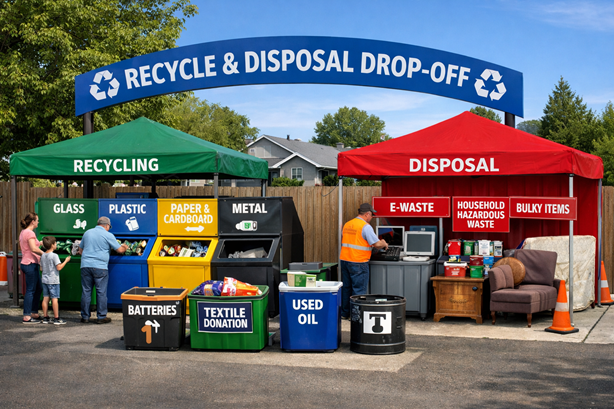
You can make recycling work for your home without guesswork: sort clean bottles, cans, paper, and cardboard, know which items your local program accepts, and avoid contaminating the bin with food-soiled or non-recyclable materials. When you sort correctly and follow local guidelines, more materials actually get reused instead of ending up in a landfill.
This guide How to Recycle explains how the recycling process transforms your sorted waste into new products and gives practical, everyday steps you can use to recycle more effectively. Expect clear actions for prepping items, common mistakes to avoid, and how to check local rules so your efforts count.
Understanding the Recycling Process
You will learn which materials recycle well, how those materials are separated and gathered, and how local curbside programs collect and process your recyclables. The section How to Recycling explains what to put in bins, how sorting happens, and what to expect from curbside pickup.
What Materials Are Commonly Recycled
Most programs accept paper, cardboard, certain plastics, glass, and metals. Paper includes newspapers, office paper, and flattened cardboard boxes. Corrugated cardboard should be dry and free of food or oil.
Plastics accepted vary by resin type; look for numbers 1 (PET) and 2 (HDPE) on containers. Plastics with food residue, plastic bags, and flexible film often require separate drop-off programs. Glass bottles and jars are widely recyclable but must be rinsed and kept separate from lightbulbs or ceramics.
Aluminum and steel cans recycle easily and retain value. Electronics, batteries, and hazardous materials usually need special collection events or dedicated facilities. Check your municipality’s list before you toss items.
Sorting and Collection Methods
Sorting happens at material recovery facilities (MRFs) using manual and mechanical steps. Workers remove contaminants and separate streams; machines like conveyors, magnets, eddy currents, and optical sorters further separate metals, plastics, paper, and glass.
Pre-sort at home by rinsing containers, flattening cardboard, and keeping materials loose (not in bags). Clean, dry items reduce contamination and lower rejection rates. Contamination—food-soiled paper or mixed materials—can force whole loads to landfill.
Some systems use single-stream collection (all recyclables mixed) while others use dual- or multi-stream (paper separate from containers). Single-stream boosts participation but raises contamination risk; multi-stream yields cleaner bales and higher market value.
How Curbside Recycling Programs Work
Curbside programs schedule regular pickups, typically weekly or biweekly. You place accepted recyclables in provided bins; contractors collect and transport loads to a local MRF.
Your program’s rules determine acceptable materials, container sizes, and preparation steps like rinsing and caps on or off. Follow local guidelines to avoid fines or rejected loads. Programs may offer seasonal bulky-item pickups or special collection events for electronics and hazardous waste.
Funding often comes from local taxes, landfill tipping fees, or sale of sorted materials. Participation rates and contamination control directly affect program costs and the municipality’s decisions about service levels.
Best Practices for Effective Household Recycling
Focus on simple, repeatable habits: clean and dry items, keep non-recyclables out, and know where to take materials your curbside program won’t accept.
Proper Cleaning and Preparation of Items
Rinse food containers and jars to remove residue that attracts pests and contaminates paper and cardboard. Use a quick cold-water rinse or a brush; you don’t need to sterilize containers.
Flatten cardboard boxes and remove packing materials like bubble wrap or foam before placing them in the bin. Broken cardboard takes more space and can be rejected by collection trucks if bulky.
Remove lids and caps when your local program requires it; check labels. Labels and glued-on paper usually do not need removal unless the facility specifies otherwise. Put small items (caps, batteries, medicine) in a separate drop-off or collection bag if your municipality prohibits loose smalls in curbside bins.
Avoiding Contamination in Recycling Bins
Keep soiled items—pizza boxes soaked with grease, used paper towels, and disposable diapers—out of the bin. These materials spoil whole batches of paper and cardboard at sorting facilities.
Do not place plastic bags, film wrap, or tangled cords in curbside carts unless your program accepts them at store drop-off points. These items jam sorting machinery and often end up in landfill.
Sort hazardous items—paint, motor oil, needles, batteries—into designated household hazardous waste (HHW) programs. Put recyclables loose in the bin rather than in plastic bags unless your program explicitly allows bagged recyclables.
Where to Find Local Recycling Centers
Check your city or county solid waste website for an official list of accepted materials and drop-off locations. Use search terms like “[your city] recycling drop-off” to find hours and special-event HHW collections.
Retailers often accept specific items: grocery stores commonly take plastic bags and film; electronics stores may run e-waste takeback. Call ahead to confirm limits and fees.
If you can’t find clear guidance online, contact your municipal public works or waste management office. Ask about curbside exceptions, seasonal bulk pickups, and nearby transfer stations that accept glass, hard plastics, or construction debris.









Leave a Reply