


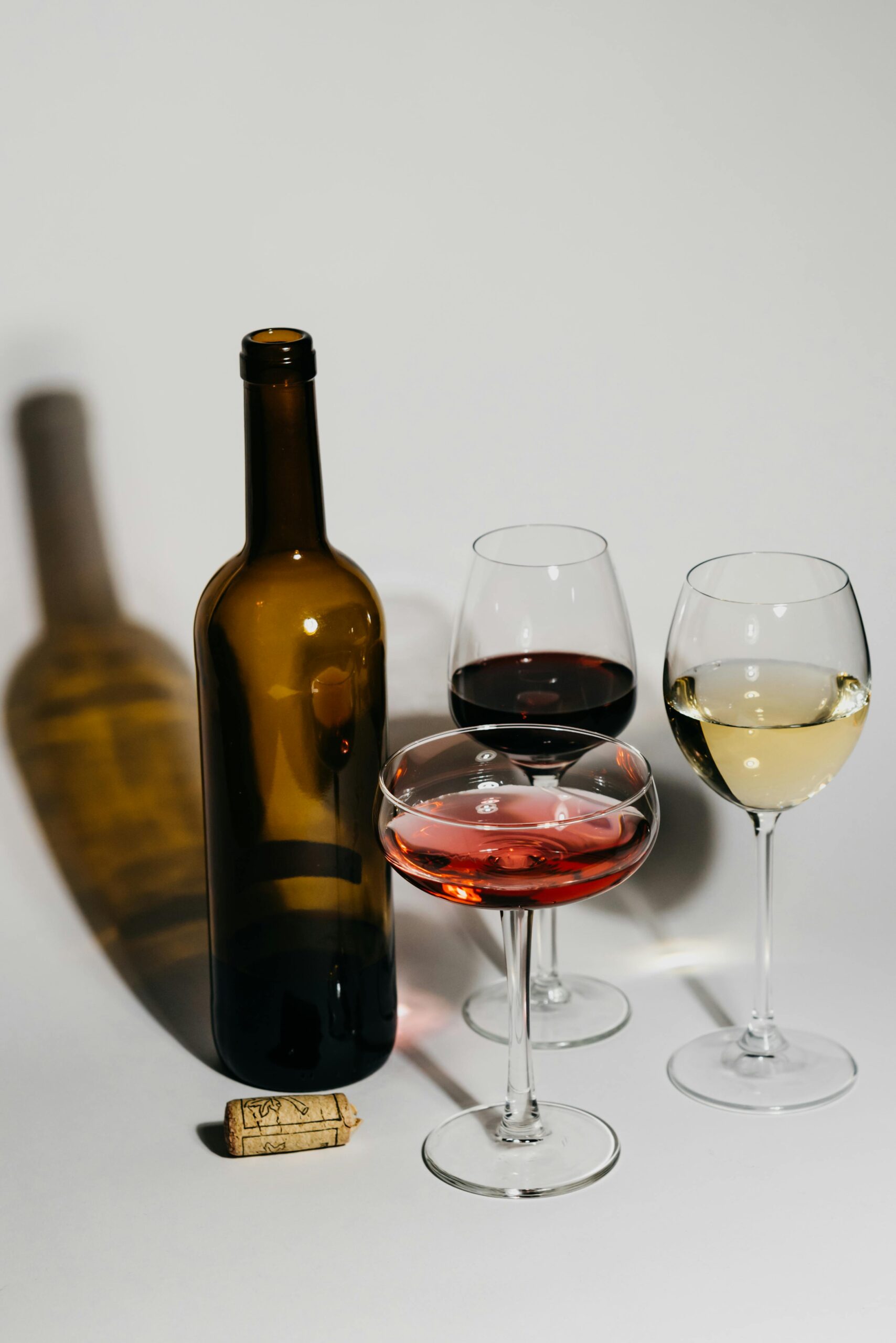
You often judge wine by color, but the real differences lie in how grapes, skins, and oak shape taste and structure. In this post you will get to know What Is the Difference Between Red and White Wine. Red wine gets its color and tannins from skin contact during fermentation, giving it bolder flavors and aging potential, while white wine is typically fermented without skins for brighter, fruit-forward aromas and crisper acidity.
Follow along to learn how those production choices create distinct tasting profiles and food pairings, and to discover simple serving practices that make each style sing. This article breaks down the core characteristics, winemaking steps, and practical tips so you can choose a bottle with confidence.
Core Characteristics of Red and White Wines
Red and white wines differ mainly in grape selection, skin contact during fermentation, and the compounds that drive color, texture, and aroma. These factors shape how wines pair with food, age, and feel in your mouth.
Grape Varieties and Skins
Red wines come from dark-skinned grapes such as Cabernet Sauvignon, Merlot, Pinot Noir, Syrah/Shiraz, and Zinfandel. You should expect thicker skins on many red varieties; those skins contribute pigments, tannins, and phenolic compounds during fermentation. Winemakers typically ferment juice with skins for days or weeks to extract color and structure.
White wines often use green‑ or yellow‑skinned grapes like Chardonnay, Sauvignon Blanc, Riesling, and Pinot Grigio. You usually press white grapes immediately and ferment only the juice, minimizing skin contact. Some white styles (orange wines) intentionally ferment with skins to add tannin and texture.
Color and Tannins
Color in red wine comes from anthocyanin pigments in grape skins. The longer the maceration, the deeper the color and the greater the tannin extraction. Tannins are astringent polyphenols that bind with saliva proteins, creating the drying, structured sensation you feel on the palate.
White wines lack significant skin pigment and typically show pale yellow to gold hues from the juice and oak influence. Tannin levels in whites are generally low unless the winemaker uses skin contact, whole-cluster pressing, or oak aging that can introduce tannic grip. Tannin affects aging potential: higher-tannin reds often develop for decades, while most whites mature sooner.
Aromatic and Flavor Profiles
Red wines tend to present flavors of dark fruit (blackberry, plum, black cherry), savory notes (earth, leather, tobacco), and spice depending on variety and oak. You’ll notice fuller body and higher perceived weight from glycerol and tannin structure. Temperature also influences aroma; serve reds slightly cooler than room temperature to reveal balance.
White wines typically highlight lighter fruit (citrus, green apple, pear), floral and herbaceous notes (honeysuckle, cut grass), and higher acidity that gives freshness. Some whites, like oaked Chardonnay, show butter, toast, and vanilla from malolactic fermentation and barrel aging. Acid and aroma intensity guide your pairing choices: whites cut richness, while reds stand up to fattier, protein‑rich dishes.
Production Techniques and Serving Practices
You’ll learn how skin contact and fermentation create color and tannin, why oak or stainless steel changes texture and aroma, and which serving temperatures and food pairings best suit different styles.
Fermentation Processes
Red wine ferments with skins, seeds, and sometimes stems, which extract color, tannin, and phenolics into the juice. You should expect maceration times from a few days to several weeks; longer maceration typically increases body and tannin. Temperature control matters: reds often ferment at 22–30°C to extract more flavor, while cooler fermentations preserve fresh fruit.
White wine usually sees juice separated from skins before fermentation to limit tannin and keep color pale. Whites ferment cooler, typically 12–18°C, preserving volatile aromatics like citrus and floral notes. Some producers do skin-contact “orange” wines; you should treat these like light reds for extraction and structure.
Aging in Oak or Stainless Steel
Oak aging imparts vanilla, toast, spice, and subtle oxidative structure. You’ll find oak used more often for full-bodied reds (Cabernet, Merlot) and certain whites (Chardonnay). Pay attention to oak variables: new vs. used barrels, French vs. American oak, and barrel toast level — each alters flavor intensity and tannin integration.
Stainless steel preserves fresh fruit and acidity, giving clean citrus, green apple, and floral characters. You’ll see stainless used for light, aromatic whites and unoaked rosés. Some winemakers blend oak-aged and stainless-aged lots to balance freshness and complexity. Micro-oxygenation and extended lees contact offer additional texture without heavy oak influence.
Pairing Recommendations
Serve light, unoaked whites (Sauvignon Blanc, unoaked Chardonnay) chilled at 7–10°C to highlight acidity and herbaceous notes. These match well with seafood, goat cheese, and salads; acidity cuts fat and lifts flavors. Full-bodied, oak-aged whites suit richer dishes like creamy pasta or roasted chicken; serve slightly warmer, 10–13°C.
Chill light reds (Pinot Noir, Beaujolais) to 12–14°C to sharpen fruit and soften tannin; pair with grilled salmon, mushroom dishes, or roast pork. Bold reds (Cabernet Sauvignon, Syrah) should reach 16–18°C to open tannins and aromas; pair them with steak, game, or aged cheeses. Match intensity: lighter dishes with lighter wines, richer foods with more tannic or oaky wines.








Leave a Reply