


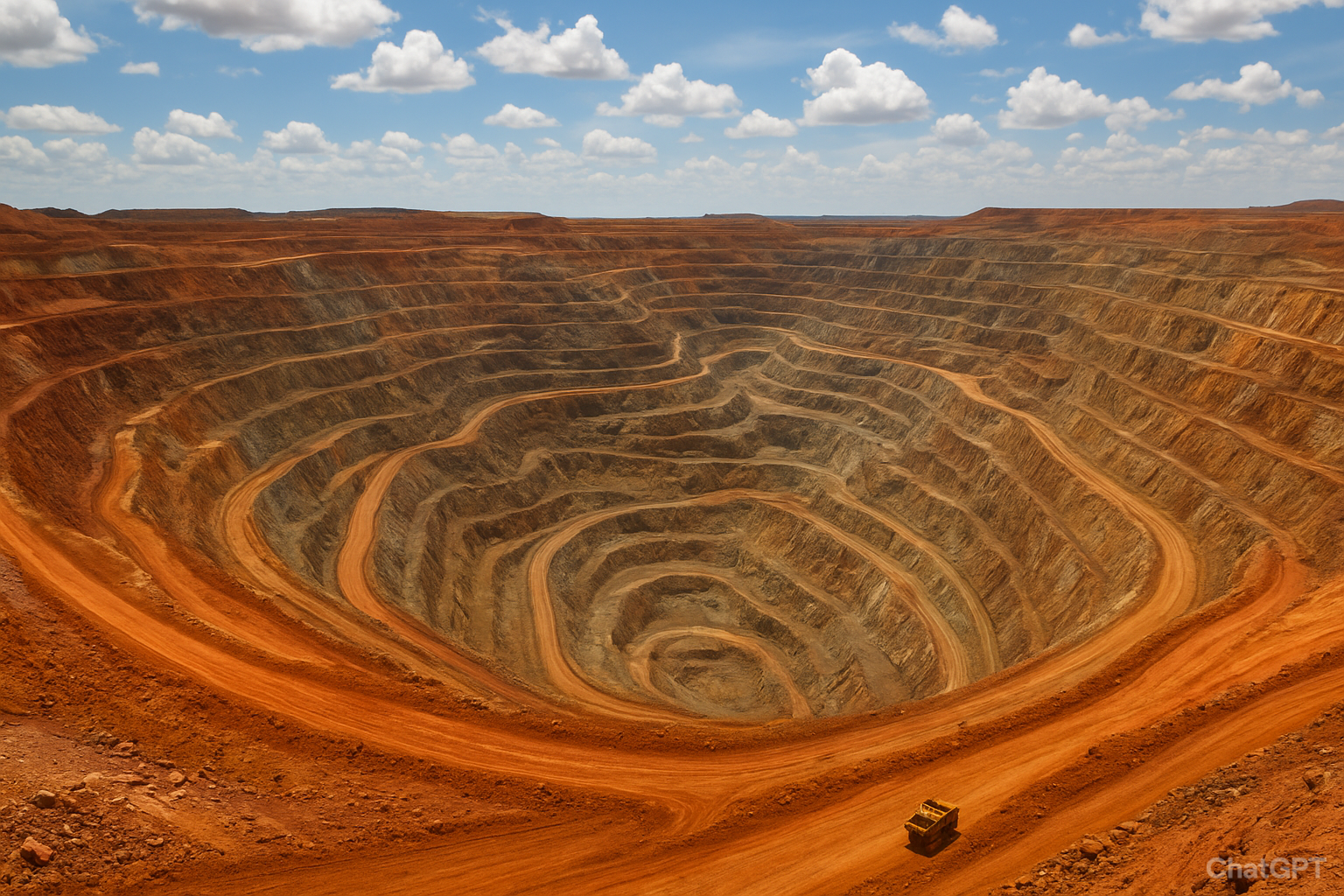
You might picture Michigan as lakes and forests, but its landscape also holds iron, copper, nickel, salt, and industrial minerals that shaped communities and still drive local economies. Michigan currently produces key materials like iron ore, construction aggregates, cement, peat, potash, and specialty minerals, while a small number of modern mines and emerging projects for critical minerals keep mining active in the state.
As you explore this article Mining in Michigan, you will find a concise overview of where mining happens in Michigan, what minerals matter now, and how historic mines differ from today’s operations. Expect clear coverage of the environmental rules, reclamation expectations, and regulatory framework that guide present-day mining and shape how projects proceed.
Overview of Mining in Michigan
Michigan’s mining sector centers on the Upper Peninsula and parts of the Lower Peninsula where commodity deposits and industrial sand resources concentrate. You will find a mix of historical copper and iron operations, modern aggregate and critical-mineral projects, and active regulation for reclamation and environmental protection.
Major Mineral Resources
Michigan’s historically dominant resources are copper and iron, concentrated in the Keweenaw Peninsula and the Marquette Iron Range respectively. Copper in the Keweenaw occurs as native copper in basalt-hosted deposits; these deposits produced large volumes during the 19th and early 20th centuries. Iron forms bedded and hematite-rich ores in the Lake Superior region and supported major mining and steelmaking links.
Today, other important materials include industrial sand and gravel used in construction, and evolving interest in nickel, cobalt, and other battery-related minerals. You should note that quantities, grades, and economic viability vary by deposit and market conditions.
Economic Impact of Mining
Mining contributes directly through jobs, wages, and local procurement, and indirectly via supporting industries like transportation and equipment supply. In the Upper Peninsula, mining-related employers can be significant economic anchors for small towns that rely on seasonal and year-round positions.
Statewide, mining also affects tax revenue, land use, and infrastructure planning. Regulatory oversight and reclamation requirements influence project costs and timelines, which in turn shape local investment and long-term economic benefits.
History of Michigan Mining
Copper and iron mining drove Michigan’s industrial growth from the mid-1800s through the early 20th century. You can trace copper booms to discovery of native copper in the Keweenaw and the development of shaft and open-pit operations that attracted workers and built towns.
Iron mining expanded around Lake Superior, feeding regional and national steel industries. Over time, ore depletion, market shifts, and technological change reduced many historic operations, though remnants of that industrial era remain in local infrastructure, heritage sites, and community identity.
Current Mining Operations
Active mining in Michigan now includes aggregates, industrial sand, and several metallic projects in exploration or operation, particularly where critical minerals are present. Modern projects emphasize environmental controls, permitting, and reclamation plans overseen by state agencies.
You should expect operations to vary from small quarries and sand pits to larger development-stage sites for copper, nickel, or other battery metals. Companies report production figures and regulatory filings publicly; local communities often engage in review processes for new permits and expansion proposals.
Environmental and Regulatory Considerations
Michigan requires formal mining permits, financial assurances, reclamation plans, and monitoring to protect water, land, and public health. You will see state oversight layered with federal laws, explicit reclamation requirements, community involvement mechanisms, and evolving practices aimed at reducing water and habitat impacts.
State Mining Regulations
You must obtain a mining, reclamation, and environmental protection plan that demonstrates how the operation will minimize impacts to natural resources, the environment, and public health within the mining and affected areas. Permit applications typically include mine design, waste handling, transportation logistics, and closure plans.
Financial assurance (bonding) is required to guarantee reclamation if the operator defaults. You will face site-specific conditions and inspections from the Geologic Resources Management Division and other state agencies. Noncompliance can trigger enforcement actions, fines, and permit suspension.
Environmental Protection Measures
Protecting groundwater and surface water ranks highest in Michigan permitting. You should expect requirements for water monitoring wells, stormwater controls, and treatment systems to manage ore-processing effluent and runoff.
Reclamation standards mandate contouring, topsoil replacement, revegetation, and long-term stability measures. For sensitive areas—coastal dunes, wetlands, or near the Great Lakes—permits include stricter controls, seasonal work limits, and habitat-specific restoration requirements. Operators often implement dust suppression, erosion control, and progressive reclamation to reduce long-term impacts.
Community Engagement in Mining
You will encounter formal public notice and hearing processes during permitting. Agencies publish permit details and accept public comment; hearings or local meetings may follow for contentious projects.
Local governments, tribes, and environmental groups commonly request project-specific information: truck routes, water testing data, and reclamation bonds. Community monitoring initiatives and Citizen Advisory Panels can influence permit conditions and ongoing compliance oversight. Companies that provide transparent data and regular updates tend to reduce conflict and delay.
Future Trends in Sustainable Mining
Expect stronger requirements for financial assurance to cover long-term reclamation liabilities. Regulators are increasingly prioritizing cumulative-impact assessments that consider multiple operations in a watershed or landscape.
You will likely see more requirements for water reuse, low-impact processing technologies, and progressive reclamation tied to operational milestones. Policy discussions also focus on protecting critical habitats and increasing enforcement transparency, which will shift permit expectations and operational planning.










Leave a Reply