


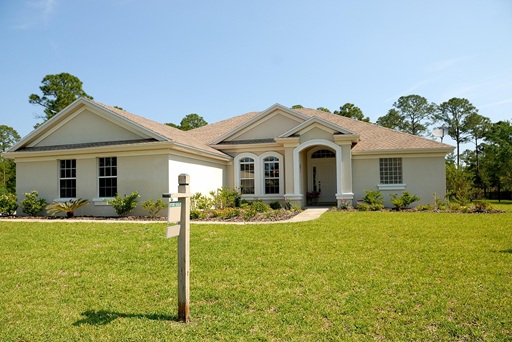
If you want to add an accessory dwelling unit Adu Grants in Ontario, you can often tap municipal and provincial programs that reduce construction, permit, and inspection costs. Many municipalities now offer grants, rebates, or pre-approved designs that can cut thousands off your project and speed approval, so exploring local incentives can make an ADU financially feasible.
This post Adu Grants Ontario walks you through who qualifies, what documents you’ll need, and how to apply, plus the types of funding and compliance rules to expect. Expect practical tips on finding grants in your area, using pre-approved ADU designs, and avoiding common application pitfalls so you can move from idea to rentable unit with fewer delays.
Eligibility and Application Process
You must meet specific property, applicant, and documentation criteria to qualify for most ADU grants in Ontario. Applications usually require pre-approval checks, municipal compliance, and clear cost estimates before funds are released.
Qualifying Property Types
Eligible properties are typically detached houses, semi‑detached homes, row/townhouses, and legally detached accessory structures on residential lots. Multi-unit buildings and properties zoned exclusively commercial usually do not qualify.
Municipal programs often require the primary dwelling to be owner‑occupied for a minimum period (commonly 1–3 years) and for the lot to meet zoning setbacks, lot coverage, and servicing rules. Heritage‑designated properties may face additional restrictions or need heritage approvals.
Pre‑approved ADU designs or infill/missing‑middle categories can broaden eligibility in some cities. Check local zoning bylaws for allowable unit size, entrance locations, and parking requirements before applying.
Applicant Requirements
You must be the property owner or co‑owner to apply for most grant and forgivable‑loan programs. Renters or third‑party developers typically cannot apply directly unless a legal agreement with the owner is in place.
Programs may require you to live in the primary residence for a set period after completion, and some grants limit applicants by household income or number of previously funded units. You will also need to be current on property taxes and not subject to outstanding building orders.
If the grant is tied to affordable‑housing outcomes, you may need to commit to rental terms (e.g., below‑market rent or occupancy by eligible tenants) for a defined term. Expect municipal pre‑application meetings or site visits as part of eligibility screening.
Required Documentation
Prepare a complete package: site plan, scaled floor plans for the ADU, construction cost estimate, contractor quotes or bid documents, and any pre‑approved design forms required by the municipality. Include proof of property ownership (land registry or tax bill) and photo ID for all owners.
Submit compliance documents such as zoning confirmation, septic or servicing verification, and any heritage or conservation approvals. Financial paperwork may include household income statements, mortgage statements, and a budget showing how grant funds integrate with other financing.
Many programs require a signed grant agreement and a timeline for construction. Missing or incomplete documents commonly delay approval, so use municipal checklists and get early confirmation of allowable design options.
Funding Opportunities and Compliance
You can access municipal and provincial grants, fee reimbursements, and forgivable loans that reduce construction and permitting costs. Eligibility, maximum amounts, and application windows vary by program and locality, so verify details for your municipality.
Types of Available Grants
Municipal ADU grants commonly fall into three categories: capital construction grants, permit/fee reimbursements, and forgivable loans tied to affordability or accessibility conditions. Capital grants pay a portion of construction costs; some programs require receipts and eligible expense lists.
Fee reimbursements cover development charges, building permit fees, and zoning application costs; these often require proof of project completion and compliance with local standards.
Forgivable loans convert to a grant if you meet conditions such as renting at below-market rates or keeping the ADU for a minimum term.
You may also find pilot programs that bundle incentives with expedited permitting or design support. Review program guidelines for exact eligible costs and documentation requirements.
Grant Amounts and Limitations
Grant amounts vary widely by municipality and program goals. Examples include forgivable grants up to $80,000 in some cities and smaller $10,000–$20,000 incentives elsewhere. Provincial programs sometimes supplement municipal incentives but rarely cover full build costs.
Limits often apply per property, per unit, or per homeowner; stacking rules determine whether you can combine municipal and provincial funds. Eligible cost caps, income or occupancy restrictions, and minimum unit sizes can further limit how much you receive.
Budget constraints mean funds may be disbursed on a first-come, first-served basis, and programs frequently exclude speculative developers or properties not owner-occupied.
Program Deadlines
Application windows differ by program and can close when allocated funds are exhausted. Many municipal incentives require pre-construction approval—submitting your application before permits are issued—or you forfeit eligibility.
Typical timelines include an initial application deadline to secure a spot, a construction completion deadline to claim funds, and a documentation submission deadline for reimbursements.
Missing key dates can disqualify you from funding or force repayment of provisional awards, so track program-specific timelines, retain all receipts, and confirm milestone dates with the administering body.








Leave a Reply