


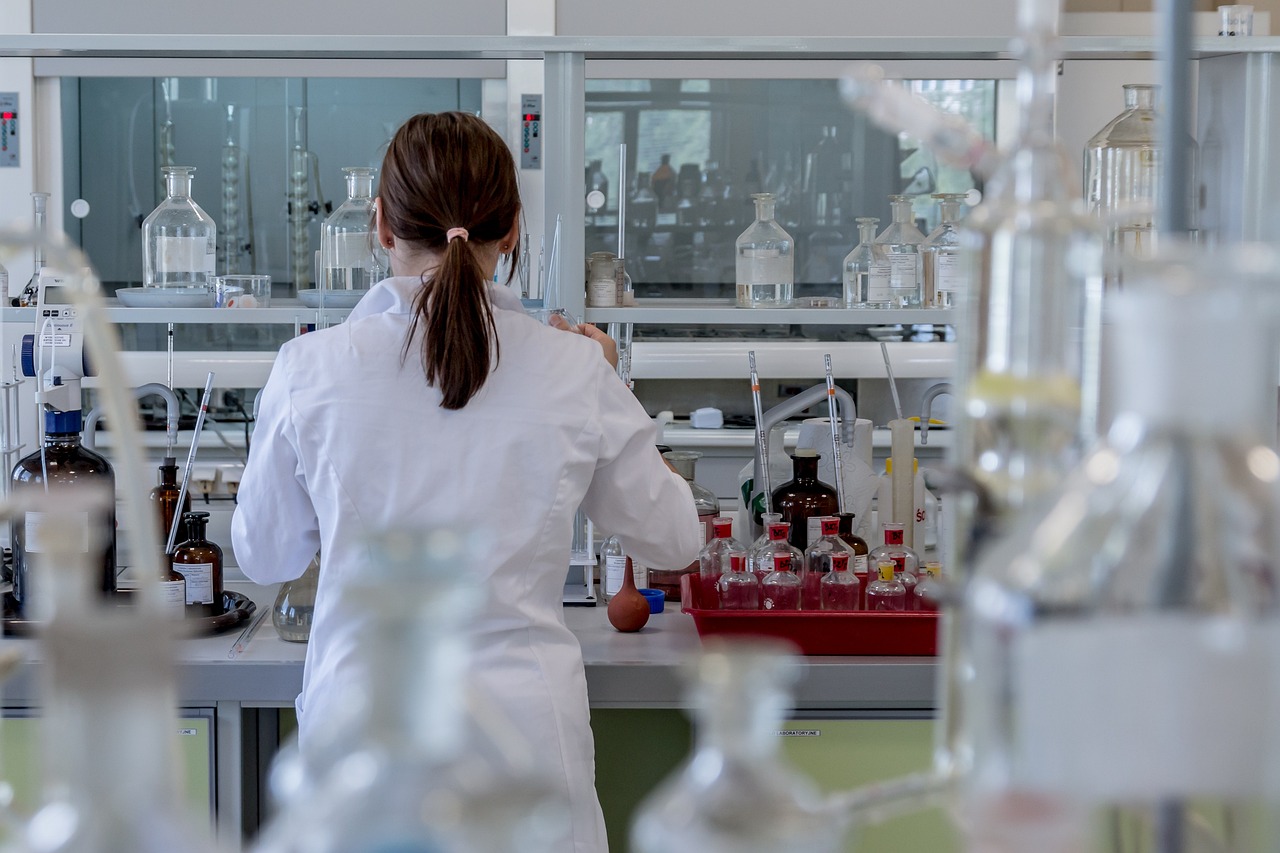
You rely on the right lab supplies equipment to get accurate results, keep your workspace safe, and control costs. Choose instruments and consumables that match your protocols, quality standards, and maintenance capacity to ensure reliable data and fewer disruptions.
This article breaks down common types of laboratory equipment, shows how to pick the best supplies for your needs, and explains simple maintenance steps that extend lifespan and protect results. Follow practical guidance to streamline procurement, reduce waste, and keep experiments running smoothly.
Types of Laboratory Equipment
You will encounter instruments for precise measurement, glassware for handling liquids, and safety devices that protect you and your samples. Each category contains specific items you’ll choose based on required accuracy, chemical compatibility, and routine workflows.
Analytical Instruments
Analytical instruments deliver quantitative data you rely on for decisions. Common choices include spectrophotometers for absorbance and concentration measurements, balances (analytical and precision) for mass to ±0.1 mg or better, and pH meters with replaceable electrodes for accurate acidity/basicity readings.
Chromatography systems (HPLC, GC) separate complex mixtures; pick column chemistry and detectors to match analytes. Centrifuges stratify particles by g-force—select rotor type and max RPM for your sample tubes.
Consider calibration schedules, software compatibility, and service contracts. Regular maintenance, certified standards, and temperature control often determine reproducibility more than instrument brand.
General Glassware
Glassware forms the backbone of liquid handling and must match accuracy needs. Use volumetric flasks for single-volume, high-accuracy dilutions; graduated cylinders for routine volume measures; and Pipettes (air-displacement or positive-displacement) for microliter to milliliter transfers—calibrate them frequently.
Choose borosilicate glass when thermal shock or chemical resistance matters; use plastic (polypropylene, PTFE) when breakage or strong bases are concerns. Inspect for chips and ensure proper joint greasing or certified fittings for reflux and distillation setups.
Label glassware clearly with solvent compatibility and calibration dates. Good practice reduces contamination, keeps concentrations reliable, and speeds your daily workflow.
Safety Devices
Safety devices protect personnel, samples, and facilities; prioritize them during procurement and lab layout. Install biosafety cabinets (Class II) for sterile work with biological agents and fume hoods for volatile or toxic chemicals—verify face velocity and sash limits.
Stock personal protective equipment: chemical-resistant gloves rated for specific solvents, splash goggles, face shields, and lab coats with appropriate fabric. Add eye wash stations and safety showers near work zones, and ensure they undergo weekly activation checks.
Include engineering controls like gas detectors, emergency shutoffs, and spill kits tailored to the chemicals you handle. Training and visible SOPs keep these devices effective and reduce incidents.
Selecting and Maintaining Lab Supplies
You need durable, calibrated instruments, reliable consumables, and vendors that support training and parts availability. Prioritize items that match your workflows, comply with regulations, and have clear maintenance paths.
Quality Assessment
Check specifications against your assay requirements: accuracy, precision, detection limits, and throughput. Request datasheets and validation reports; compare lot-to-lot variability for reagents and consumables. For instruments, verify calibration certificates and traceability to national standards.
Inspect physical build and materials for chemical resistance and sterility where relevant. Ask for performance testing under expected operating conditions. Use acceptance criteria such as CV%, recovery, and pass/fail tolerances before approving any batch or new equipment.
Document incoming inspections in a log that records serial numbers, lot numbers, and test results. Implement routine QC checks and trending to catch drift or degradation early. Retire items that repeatedly fail acceptance limits.
Supplier Considerations
Evaluate vendors on lead time, spare-parts availability, and service contracts. Prefer suppliers offering on-site installation, user training, and preventative maintenance plans. Confirm warranty terms and what constitutes billable service calls.
Assess regulatory compliance: ISO certifications, GMP/GLP alignment, and supply-chain transparency for critical reagents. Ask for supplier references from labs that run similar assays. Negotiate return policies, bulk pricing, and consignment options for high-use consumables.
Maintain a primary and secondary supplier for critical items to avoid single-point failures. Track supplier performance metrics—on-time delivery rate, defect rate, and response time—to inform purchasing decisions.
Storage and Care Guidelines
Label and segregate chemicals, biologicals, and sterile supplies with clear expiration dates and first-expire-first-out (FEFO) practice. Control storage conditions: document refrigerator and freezer temperatures hourly, maintain desiccants for hygroscopic reagents, and store light-sensitive materials in opaque containers.
Follow manufacturer cleaning and calibration schedules for instruments. Use approved detergents and avoid solvents that damage seals or plastics. Keep maintenance logs with dates, technician names, and performed tasks to meet audit requirements.
Train staff on handling protocols: PPE specifics, spill response, and inventory checklists. Schedule periodic inventory audits and condition checks to remove degraded supplies, update stock levels, and reorder before minimum stock thresholds are reached.









Leave a Reply