


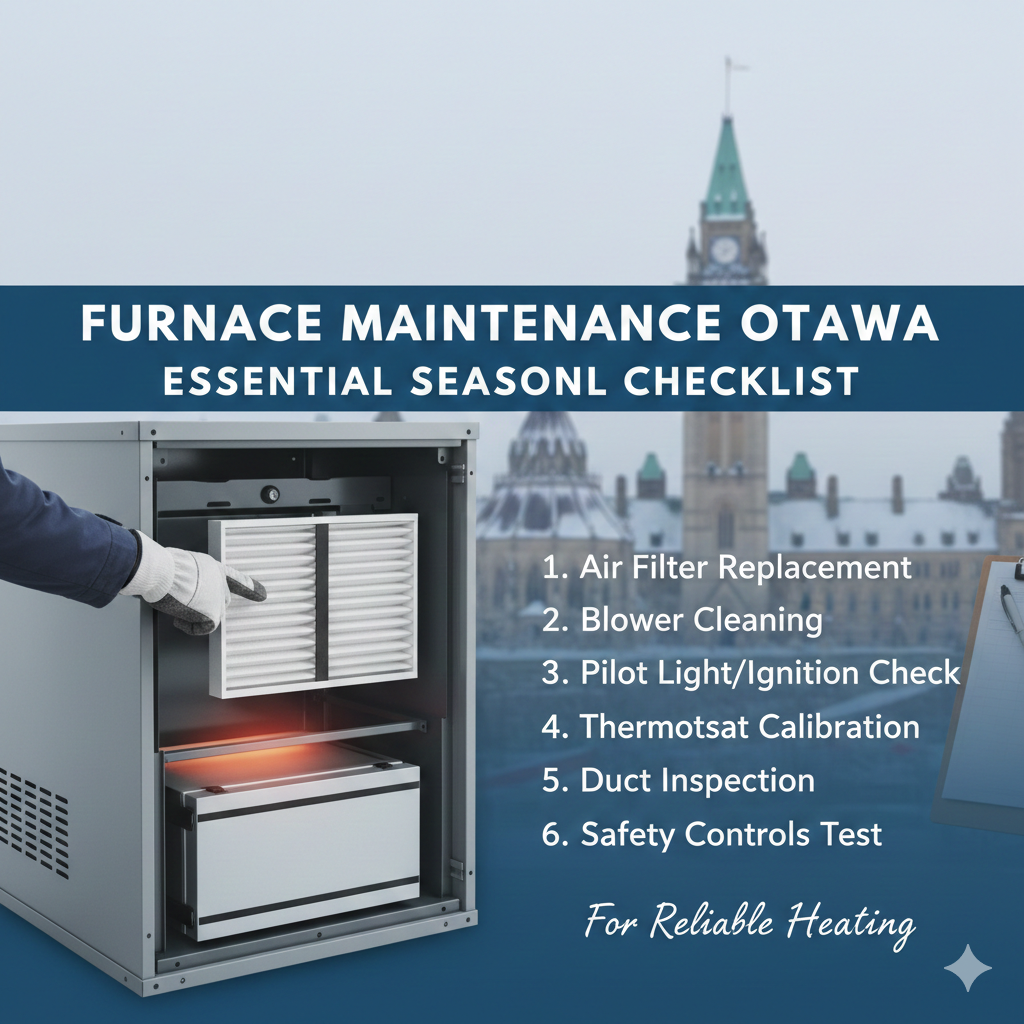
You want a furnace installation that fits your Langley home, runs efficiently, and keeps energy bills reasonable. A properly sized, professionally installed furnace tailored to Langley’s climate delivers reliable warmth, better efficiency, and potential rebates — so you get comfort without overspending. This article Furnace Installation Langley shows how to choose the right unit and what to expect during a professional installation.
You’ll learn how system sizing, fuel type, and local installers’ certifications affect performance and cost. Expect practical tips on comparing options, understanding installation steps, and spotting reputable Langley technicians so your new furnace works safely and efficiently for years.
Choosing the Right Furnace for Your Langley Home
You need a furnace that matches your home’s layout, insulation, and heating habits while meeting local climate demands and rebate opportunities. Focus on fuel type, efficiency ratings, and proper sizing to avoid higher bills or uneven heating.
Types of Furnaces and Their Benefits
Gas furnaces (natural gas) are common in Langley for reliable, high-output heat and lower operating costs where gas is available. They warm quickly and suit larger homes; choose models with modulating or two-stage burners for better comfort and reduced cycling.
Electric furnaces work well if your home lacks natural gas and you want simpler installation and lower upfront cost. They have higher running costs in most cases, but newer heat-pump hybrids can improve efficiency.
High-efficiency condensing furnaces recover extra heat from exhaust and often carry AFUE ratings above 90%. Variable-speed or modulating furnaces deliver steadier temperatures and quieter operation. Match the technology to your budget and desired comfort level.
Key Factors in Furnace Selection
Check fuel availability and current utility rates in Langley before selecting a unit; operating cost differences often outweigh purchase price differences over time. Confirm local rebates or incentives for high-efficiency models to lower net cost.
Prioritize AFUE (Annual Fuel Utilization Efficiency) for long-term savings; a 95% AFUE furnace wastes much less fuel than an 80% model. Look for variable-speed blowers and two-stage or modulating gas valves for better humidity control and quieter cycling.
Consider installation complexity: conversion between fuel types, ductwork condition, and ventilation needs add to project cost. Ensure the installer offers permitting, warranty on labor, and proper combustion safety testing.
Sizing and Efficiency Considerations
Have a qualified HVAC technician perform a Manual J heat load calculation for accurate sizing; oversized units short-cycle, while undersized units run continuously and fail to meet comfort needs. Use room-by-room assessments if your home has additions or uneven insulation.
Balance AFUE with realistic payback timeframe: high AFUE saves fuel but costs more upfront. Estimate annual fuel use and compare projected savings against the price premium and available rebates.
Inspect your ductwork and insulation before finalizing furnace capacity. Tight ducts and upgraded attic insulation can allow a smaller, more efficient furnace and improve whole-house performance.
Professional Installation Process in Langley
You can expect a structured, permit-compliant installation that starts with a detailed home inspection and ends with safety testing and system commissioning. Technicians handle load calculations, duct or vent modifications, and the paperwork required by Langley building codes.
Site Assessment and Preparation
A technician begins with a Manual J load calculation tied to your home’s square footage, insulation R-values, window types, and occupancy to size the furnace correctly. They inspect your existing ductwork, venting path, and utility hookups (gas line size or electrical panel capacity) and note any repairs or clearances required by code.
Expect a checklist that covers permit requirements, carbon monoxide detector locations, combustion air availability, and access panels for future servicing. The crew will clear the work area, protect flooring, and move obstructing items. If duct sealing, new registers, or a new flue run are needed, they’ll provide written estimates and schedule those tasks before installation begins.
Installation Steps and Timeline
Installations typically take 4–8 hours for a straightforward like-for-like replacement; complex retrofits or furnace relocations can span 1–3 days. The process follows set stages: disconnect and remove the old unit, modify or install venting and flue components, set and level the new furnace, connect gas and electrical lines, and integrate controls and thermostats.
Technicians perform intermediate checks—pressure tests on gas lines, electrical continuity, and proper flue draft—before finalizing connections. You’ll receive a step-by-step timeline and a list of parts to be used. If permits or inspections are required by the City of Langley, the installer will coordinate scheduling and remain on site for municipal checks.
Post-Installation Safety Checks
Once installed, technicians run combustion analysis to verify proper air-fuel ratio and measure flue gas temperatures and CO levels. They test safety controls including limit switches, pressure switches, and the pilot/ignition system to confirm proper operation under load.
You’ll get a demonstration of thermostat programming, recommended filter types and change intervals, and documentation: permit copies, appliance warranties, and maintenance recommendations. The crew leaves a written checklist of completed safety tests and contact information for emergency service.






Leave a Reply