


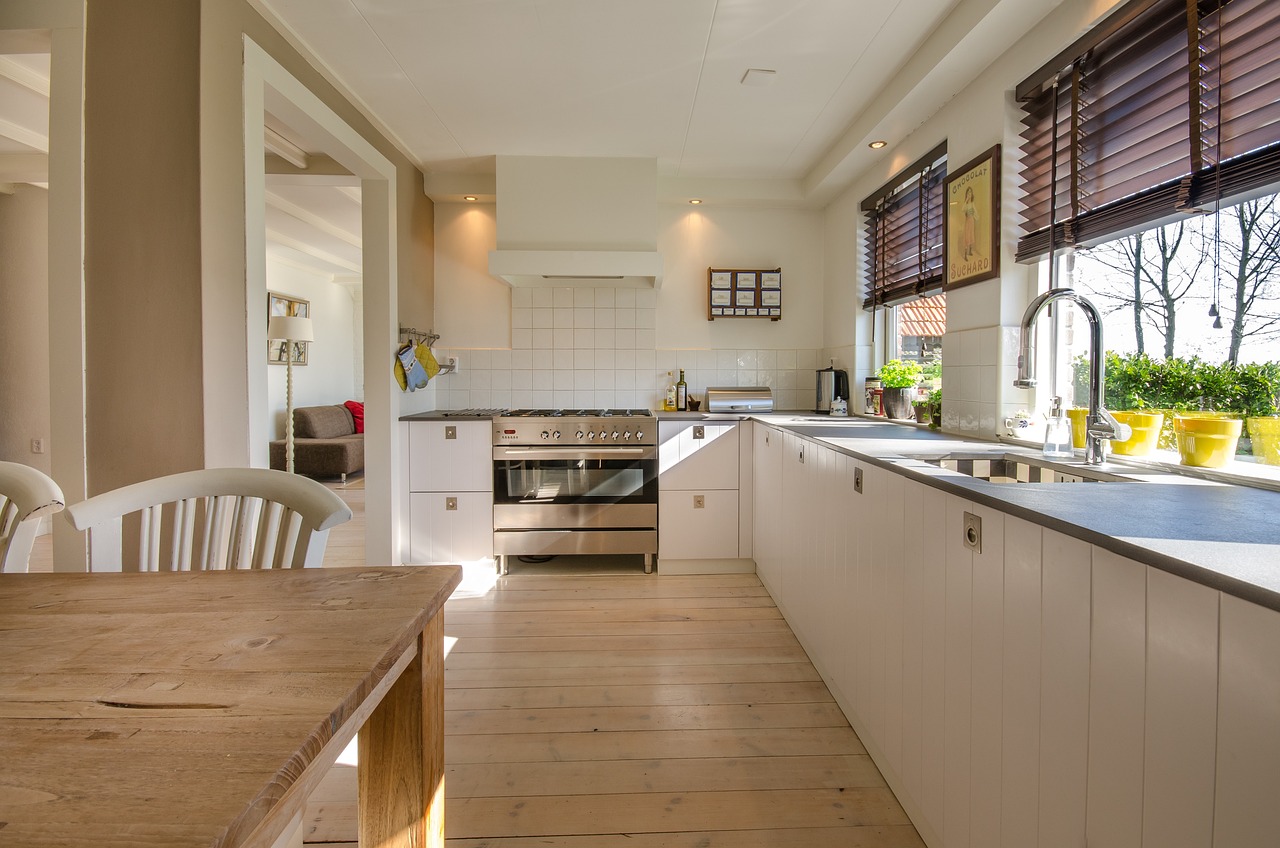
Looking for a reliable kitchen remodeling company near me starts with knowing what matters most: local experience, clear timelines, and proven craftsmanship. Choose a firm that communicates costs and schedules up front and shows examples of completed projects in neighborhoods like yours. That way you’ll avoid surprises and get a kitchen that fits both your lifestyle and budget.
You’ll explore how to evaluate local kitchen remodeling contractor, compare design and material options, and spot realistic timelines and warranties. Keep an eye out for contractors who combine strong design sense with licensed, insured crews—those details shape the outcome more than flashy marketing.
Choosing the Right Local Kitchen Remodeling Experts
You should focus on demonstrable credentials, real project examples, and a clear plan that matches your budget and timeline. Prioritize contractors who communicate specifics about permits, warranties, and materials.
Key Credentials to Look For
Look for a valid state or local contractor’s license for kitchen remodeling work. A license confirms the company meets trade and business standards and allows you to verify standing with your state licensing board.
Check for insurance: general liability and workers’ compensation protect you if damage or injury occurs on your property. Ask to see certificates with your project address listed or a verbal confirmation that your job will be covered.
Verify memberships and certifications from industry organizations (NKBA, NARI, manufacturer certifications for cabinets, countertops, or appliances). These signal training on best practices and approved installation methods.
Request at least three local references and recent project photos. Call references and ask about timeline adherence, change-order frequency, and post‑job cleanup. Keep written proof of warranty terms for labor and materials before work begins.
Comparing Local Contractor Portfolios
Compare portfolios for style match and technical depth. Look for completed projects that mirror your layout, materials, and level of finish—this shows the contractor can deliver what you want rather than only high-end showpieces.
Create a simple comparison table for each candidate:
- Years in business
- Number of similar projects completed
- Photos available (yes/no)
- Manufacturer partnerships
- Average project cost range
Ask about problem-solving examples in their portfolio: hidden structural issues, electrical upgrades, or layout changes. Contractors who document challenges and solutions demonstrate practical experience.
Visit at least one finished job or active site. Seeing workmanship, client interactions, and jobsite organization gives clearer insight than photos alone.
Consultation and Project Planning
Schedule a detailed consultation that covers scope, timeline, and a written estimate. A good estimate breaks down labor, materials, permits, and allowances for selections like cabinetry and countertops.
Discuss permits and inspections upfront. Confirm who pulls permits and handles code compliance—if the contractor manages permits, get that in writing and note associated costs.
Agree on a change-order process and payment schedule before work starts. Define milestones tied to payments and include retainage terms so you retain leverage until final punch list items are complete.
Request a written project plan with start and completion dates, daily work hours, dust control measures, and a single point of contact. Clear communication expectations reduce delays and misunderstandings during construction.
Design Trends and Material Selection
You’ll focus on layout for workflow, pick materials that balance durability with aesthetics, and use storage solutions that reduce clutter while improving access. Prioritize surfaces and fittings that match how you cook, entertain, and maintain the space.
Popular Kitchen Layouts
Choose a layout that matches your kitchen’s footprint and how you use it. For small or galley kitchens, a galley or one-wall layout preserves traffic flow and maximizes counter run. In medium spaces, consider an L-shape with an island to create distinct prep, cook, and social zones.
Open-plan and U-shape layouts work well if you entertain often. An island sized at least 42–48 inches deep gives seating and prep space without crowding walkways. Keep the “work triangle” in mind: place sink, stove, and refrigerator within 4–9 feet of one another for efficient movement. If multiple cooks use the kitchen, plan dual prep stations and at least 42 inches between opposite countertops to prevent congestion.
Eco-Friendly Materials
You can cut environmental impact by choosing certified, low-emission, and durable materials. Select FSC- or SFI-certified plywood or solid wood for cabinets to ensure responsible forestry practices. For countertops, quartz and recycled-content solid surfaces offer longevity and low maintenance compared with porous stones.
Use low-VOC paints, formaldehyde-free cabinetry, and water-efficient faucets (look for Flow rates ≤1.5 GPM). Flooring options like reclaimed hardwood, bamboo, or low-VOC luxury vinyl plank provide durability with smaller carbon footprints. When possible, ask your contractor for product certifications (GREENGUARD, Cradle to Cradle) and request material sourcing and waste diversion plans to reduce landfill contributions during the remodel.
Smart Storage Solutions
Design storage around tasks to reduce countertop clutter and speed meal prep. Install deep drawers with full-extension glides for pots and pans; use vertical dividers for baking sheets and cutting boards. Place frequently used items in drawers or pull-outs at waist height to avoid bending.
Incorporate pull-out pantry systems with adjustable shelves for canned goods and appliances. Use corner solutions like a lazy Susan or blind-corner pull-out to reclaim wasted space. Add integrated organizers — spice racks, utensil trays, and tray dividers — and dedicate a lower cabinet to recycling and trash with separate compartments. Consider appliance garages or lift-up cabinet doors to keep small appliances accessible but hidden when not in use.






Leave a Reply