


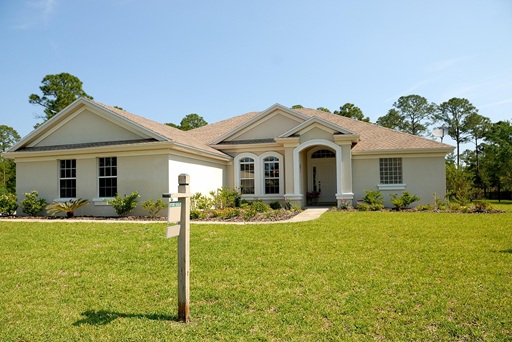
If you want a smoother renovation or a custom home without juggling separate architects and contractors, design-build in Toronto lets one team handle design, permits, and construction so decisions stay aligned and timelines stay tighter. You get clearer accountability, faster coordination, and a single contract that reduces surprises during a project.
Expect the article to walk through how local design-build firms manage permits, zoning, and budgets in Toronto’s competitive market and how that affects timelines and costs for your project. In this post Design and Build Toronto You’ll learn what to ask prospective teams, how integrated workflows cut handoffs, and which market factors—neighbourhood rules, heritage designations, and permit wait times—most influence outcomes.
Design and Build Services in Toronto
You get a single team that handles design, permitting, trade coordination, and construction oversight to reduce delays, control costs, and simplify communication. Local firms often combine custom home design, major renovations, laneway suites, and small commercial fit-outs under one contract.
Benefits of Integrated Design and Build
Integrated teams shorten timelines because design and construction work overlap rather than wait for sequential handoffs. You avoid repeated rework: designers coordinate with builders on structural systems, mechanical layouts, and material availability from the start.
A single contract centralizes budget responsibility and reduces change-order disputes. This gives you clearer cost forecasting and a single point of accountability for warranties, scheduling, and permit issues with Toronto’s building department.
Risk transfers to the design-build entity for constructability, code compliance, and coordination with consultants. You gain faster problem resolution on-site since project managers, architects, and trades operate under aligned incentives.
Types of Projects Served
Design-build firms in Toronto commonly handle: custom single-family homes, high-end renovations in neighborhoods like Forest Hill and Rosedale, laneway suites and secondary units, and small commercial or retail fit-outs. Many also deliver additions, basement conversions, and townhouse infills.
You can expect firms to offer fixed-price contracts for predictable scopes and cost-plus or GMP arrangements for complex builds. Choose a firm experienced with Toronto zoning bylaws, heritage requirements, conservation districts, and site-servicing constraints to avoid permit delays.
Smaller specialized teams cover projects under $1M; larger design-build companies handle multi-million-dollar custom homes and mixed-use developments. Confirm prior projects similar in scale and style to yours before engaging.
The Design-Build Process
The process usually begins with an initial feasibility review and a budget alignment meeting. You share site surveys and program requirements, then the team produces schematic designs and a cost estimate to confirm scope.
Next comes detailed design and permit submission while trade packages get priced and scheduled. Construction begins after permits issue or under phased approvals, with weekly site meetings and a single project manager handling change orders and procurement.
Final steps include commissioning systems, inspections, and turnover with warranty documentation. Expect clear milestones, a procurement schedule for long-lead items (windows, custom millwork), and coordinated reviews to keep the project on Toronto’s permit timelines.
Choosing the Right Partner in Toronto
Verify experience with Toronto-specific requirements: heritage districts, laneway suite bylaws, tree preservation, and site-servicing limits. Ask for references from completed projects in your neighborhood and visit finished sites when possible.
Request a sample contract showing pricing method, scope clarity, contingency handling, and dispute resolution. Confirm the team’s in-house capabilities (architect, engineer, general contractor) and which trades they subcontract.
Confirm licensing, insurance, WSIB clearance, and a clear permit process plan with estimated timelines. Get a realistic schedule and a payment draw tied to completed milestones to protect your cash flow and keep the project accountable.
Toronto Market Considerations
Toronto projects demand close attention to approval timelines, energy rules, and realistic cost allowances. You will need to manage city permits, target measurable sustainability outcomes, and build contingency into budgets for trades, materials, and municipal charges.
Local Regulations and Building Codes
Toronto enforces the Ontario Building Code plus municipal bylaws that affect zoning, height, setbacks, and parking. You must confirm the property’s zoning designation and any site-specific restrictions through the City of Toronto’s zoning maps and the Development Pipeline records where applicable.
Heritage designation and committee of adjustment processes can add weeks to a schedule. Apply early for minor variances, and plan for site plan control or community consultation when projects exceed thresholds. Building permit reviews often request detailed drawings, structural reports, and energy compliance documentation; submit complete packages to avoid re-sets.
Work with a Toronto-licensed architect or engineer familiar with local inspectors and the city’s electronic submission standards. Track required approvals in a project calendar and budget for permit fees, development charges, and potential holdbacks.
Sustainable Design Practices
Toronto increasingly ties policy to emissions and building performance, so prioritize measurable energy savings and low-carbon materials. Targeting airtight envelopes, high-efficiency HVAC, and panel-ready electrical capacity for future electrification reduces long-term operating costs and aligns with emerging municipal expectations.
Consider passive strategies—orientation, insulation upgrades, and shading—to cut peak loads. Specify materials with verified environmental product declarations and low-VOC finishes to address indoor air quality and lifecycle impacts. If you plan for near-term compliance with Building Emissions Performance Standards, document predicted energy use and GHG intensity from the outset.
Integrate water efficiency (low-flow fixtures, rainwater capture where allowed) and electrification-ready mechanical systems. Work with your design-build team to model energy performance early and to incorporate measures that deliver the best payback within Toronto’s climate and policy environment.
Budgeting and Cost Management
Start with a detailed cost plan tied to defined scope, not a rule-of-thumb percentage. Break the budget into land/site work, base construction, sustainable upgrades, permits/development charges, professional fees, and a contingency of at least 10–15% for Toronto projects with heritage, variance, or phased approvals.
Track soft costs separately: survey, geotechnical, legal, and permit fees can represent 8–12% of total. For trades and materials, lock major contracts early and use staged procurement for long-lead items like windows and custom façades. Include escalation allowances for labour and material volatility, especially for imported items.
Use monthly cost reports and change-order controls to keep your project within targets. If financing, confirm lender thresholds for draws tied to inspections and ensure allowances match lender appraisals to avoid funding gaps.





Leave a Reply