



You want a renovation in London that fits your lifestyle, timeline, and budget — and you need a clear path to get there. Find a contractor who combines local experience with transparent planning so your kitchen, bathroom, basement, or full-home project finishes on time and on budget.
This article Renovations London shows which renovation services are available across London, Ontario, how to evaluate contractors, and what practical steps you should take during planning and construction to avoid delays and cost overruns. Use these insights to make confident decisions and move your project forward with less stress.
Renovation Services in London
You can expect professional contractors who handle flooring, kitchens, bathrooms, basements, and commercial fit-outs. Typical services include design consultation, structural work, finishes, and permit coordination.
Home Renovations
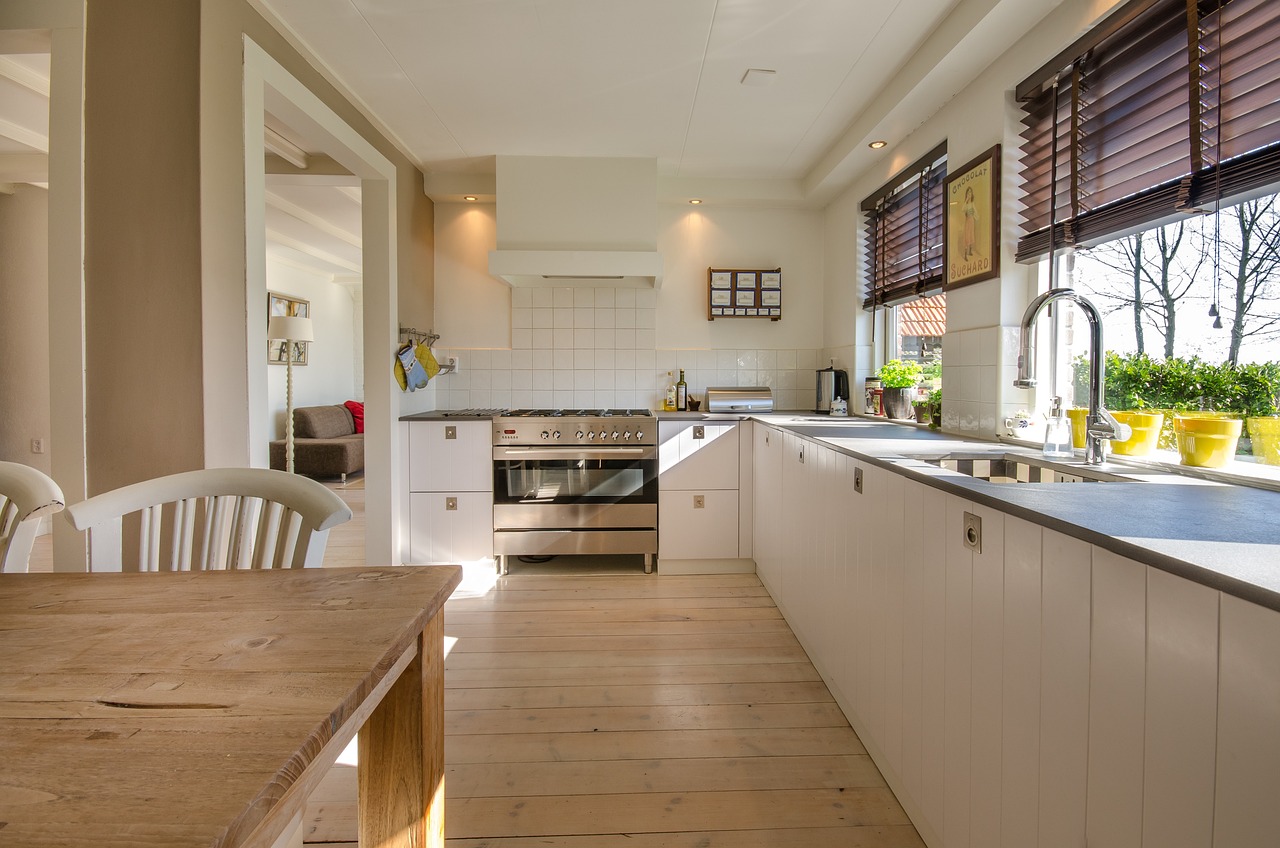
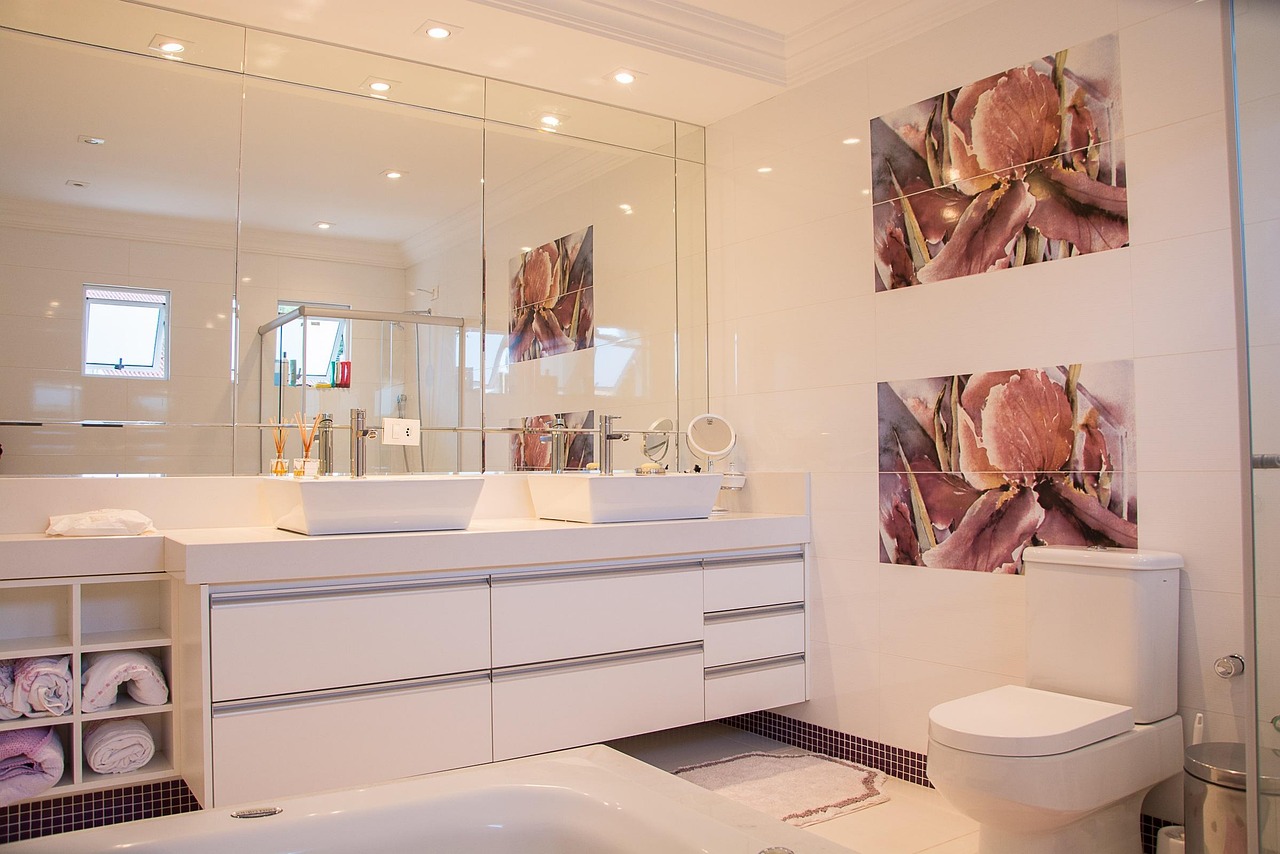
You’ll get focused upgrades that improve comfort, function, and resale value. Contractors commonly offer kitchen remodels (cabinet refacing, island installation, appliance relocation), bathroom overhauls (shower/tub replacement, waterproofing, ventilation upgrades), and basement finishing (insulation, drywall, egress windows).
Structural tasks such as removing load-bearing walls or adding beams require engineered plans and permits. Finish work includes flooring (hardwood, tile, vinyl plank), trim, paint, and lighting. Many London firms provide project management: timeline creation, subcontractor scheduling, and regular site updates so you know the progress and costs.
Budgeting often breaks into design fees, materials, labor, and contingency. Ask for a written quote with line-item pricing, expected permit costs, and a clear payment schedule before work begins.
Commercial Property Renovations
You should hire contractors experienced with commercial codes, accessibility, and tenant disruption minimization. Services include office reconfigurations, retail fit-outs, restaurant kitchen installs, and light industrial upgrades. Work commonly involves HVAC upgrades, fire-rated assemblies, non-combustible finishes, and accessible washrooms.
Project phases usually start with a site survey and code review, followed by phased construction to keep parts of the property operational. Expect coordination with building management and possibly phased tenant relocations. Contractors often handle building permits, inspections, and certified trade subcontractors for mechanical, electrical, and structural work.
Request references and examples of similar London projects. Confirm liability insurance, WSIB coverage, and warranty terms for materials and workmanship.
Flat and Apartment Updates
You’ll focus on efficient, low-downtime improvements that respect strata/landlord rules. Popular updates include kitchen refits (compact cabinetry, under-cabinet lighting), bathroom modernizations (tankless toilets, walk-in showers), and new flooring options suited to multi-unit buildings (acoustic-rated underlayments, durable vinyl).
Soundproofing between units, smoke alarm upgrades, and compliance with building fire strategies often matter. Landlords should verify building management approval and permit requirements; tenants usually need written consent for structural changes. Contractors familiar with multi-unit work can provide phased schedules, quick installs, and minimal mess methods like dust containment and night/weekend work to reduce disruption.
Planning and Executing Renovations
Plan timelines, permits, contractor selection, and a realistic budget before demolition. Prioritize structural, electrical, and plumbing approvals, then lock in written scopes and payment schedules with contractors.
Building Regulations and Permits
You must check local building codes and obtain permits for structural changes, new windows or doors, plumbing relocations, and major electrical work. In London, applications typically require drawings, a site plan, and a schedule of work; incomplete submissions delay approvals.
Engage a qualified architect or designer for permit-ready drawings when scope affects load-bearing walls or rooflines. For simple projects like cabinet replacements or cosmetic finishes, confirm whether a permit is needed—doing so avoids fines and rework.
Keep records of approvals, inspections, and certificates of compliance. Schedule inspections at required stages (foundation, rough-in, final) and do not conceal work until inspectors have signed off.
Choosing Contractors
Vet contractors by checking licensing, insurance, and local references. Ask for three written quotes with identical scopes, line-item pricing, and a clear start and finish date to compare costs fairly.
Request proof of liability insurance and WSIB or equivalent coverage. Verify recent projects in your neighborhood and speak with previous clients about punctuality, change-order practices, and cleanup.
Use a written contract that includes payment schedule, scope, warranties, dispute resolution, and who is responsible for permits and site safety. Retain 10% to 15% of the final payment until you sign off on punch-list items.
Cost Estimation and Budgeting
Create a detailed budget that separates hard costs (materials, labor, permits) from soft costs (design fees, inspections, temporary accommodation). Use itemized estimates from contractors and add a contingency of 10–20% for unknowns like rot or hidden wiring.
Prioritize expenditures: spend on structural, safety, and systems first, then finishes. Compare material options by lifecycle cost, not just upfront price — for example, engineered hardwood often costs more initially but resists moisture better than solid hardwood in basements.
Track expenses against the budget weekly and approve change orders in writing before work proceeds. Keep a running spreadsheet with actual costs, committed costs, and remaining contingency to avoid surprises.






Leave a Reply